
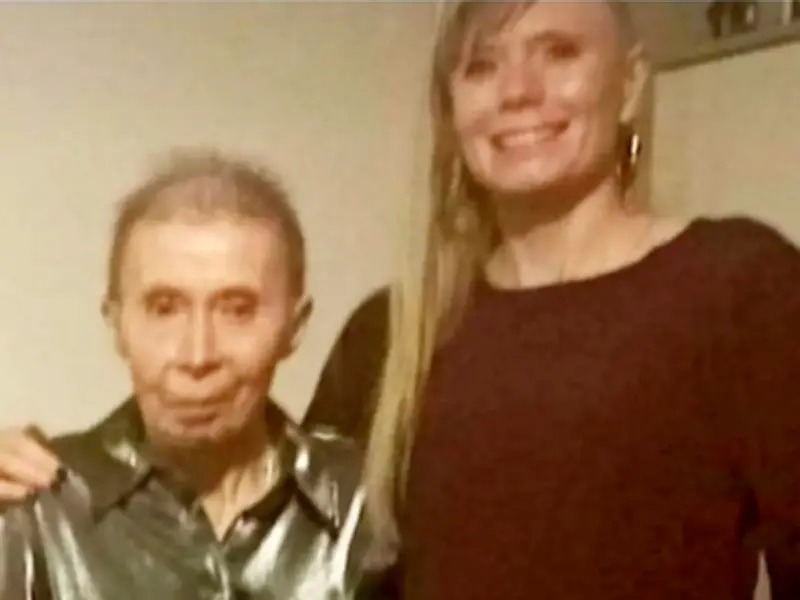
Emma Nightingale, 36, was cleared of murdering her chronically-ill mother, Lorna, 70, and says she only ordered the pills that ended her life “so she could go out with dignity”. She criticised the decision to prosecute her after her mother died from a drug overdose.
Mother's suffering and arrest
Lorna was suffering from chronic kidney disease, severe dental problems and cataracts in both eyes. Emma said her mother “begged” her to get the tablets to end her life because she could no longer bear the pain. Emma was held for five months in Category A HMP Bronzefield after police charged her with murder.
In April, she pleaded not guilty at the Old Bailey, but walked free the same day after prosecutors dropped the case, saying there was “no longer a realistic prospect of conviction”. During the hearing Emma shouted: "We don't let animals suffer. My mum committed suicide."
Assisted dying debate
Emma says the Crown Prosecution Service are yet to decide if she will face a charge of encouraging or assisting suicide. She gave an account of her mother's death and demanded that assisted suicide be made legal in the UK. A bill to allow assisted dying in England and Wales, the Terminally Ill Adults (End of Life) Bill, is currently at the centre of a dispute by MPs.
Emma told the EDP: "It affects so many people, and unless you’re in a situation like that with someone you love more than anything else in the world, some people just don’t understand how heartbreaking it is. Mum took the tablets of her own free will as a mentally competent adult, with me in the room with her, as that was what she wanted – for me to be there."
Life as a carer and move to London
Emma, self-employed, had left a 13-year relationship when she began acting as a full-time carer for her mother. As her health deteriorated, they found their property unsuitable. Last year, they moved to Walthamstow, east London, into a ground-floor bedsit at the Trinity House hotel. Lorna, who had dreamed of experiencing London, wanted to ride in taxis, shop at Westfield and see shows before becoming bed-bound.
Their move sparked a police search after a family member reported them missing. Several specialist units from Suffolk Police, along with partner agencies, launched a search and made a public appeal. In October, police found the mother and daughter “safe and well” in their bedsit.
Final days and legal aftermath
Lorna had become bed-bound, and Emma said they knew she would die in the bedsit. They discussed Lorna's desire to end her life before the pain became too great. Emma, a committed Christian, said she struggled with the ethics but her mother had “begged” her to buy tablets. Emma contacted a doctor in Switzerland, as the pills are sold legally there. She declined to provide details of how she obtained them, for fear the doctor could face scrutiny.
Emma said her mother took the tablets on December 11, with Emma in the room. Later that day, she called the ambulance service. Police were sent, and she was arrested on suspicion of murder. Following interviews, she was charged and held on remand. Since her release, she has been living in Dover, waiting to learn if she will be charged with encouraging or assisting suicide under the Suicide Act 1961, which carries a maximum sentence of 14 years. The CPS have not said when she will learn her fate.
As officials mull their decision, Labour MP Lauren Edwards has been trying to revive attempts by her colleague Kim Leadbeater to pass legislation allowing terminally ill adults to seek medical help to end their life under strict safeguards. Supporters argue the current ban causes unnecessary pain; critics argue the proposals lack sufficient safeguards. Both the CPS and the Met Police have declined to comment.




