
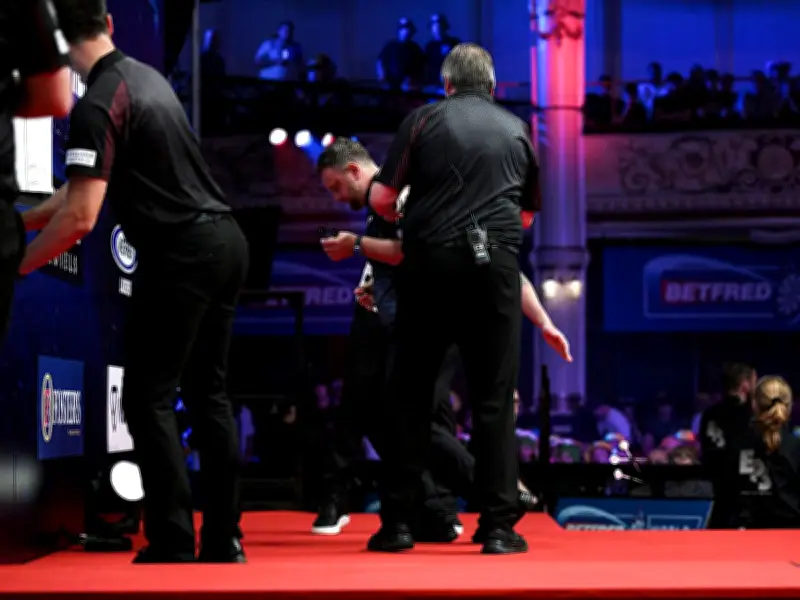
Cameron Menzies, 37, collapsed during his World Matchplay Darts tournament match against Ross Smith on Wednesday. He was leading 2-1 in the second round when he felt dizzy on the oche and fainted. Match officials helped him off the stage for medical attention. He later posted: "Thanks to everyone who’s checked in and sent messages. I’m okay."
Menzies forced to withdraw
Menzies withdrew from the match, sending Smith to the quarter-finals. A PDC statement confirmed that Menzies had experienced high blood pressure and dizziness before fainting. The episode highlights how blood pressure can quickly become a health emergency.
High blood pressure risks and symptoms
High blood pressure increases the risk of major medical emergencies like vision loss, heart attacks and strokes. It rarely causes symptoms on its own before triggering these events, so people need to be proactive in getting tested.
Free NHS blood pressure checks
People aged 40 or over living in England may be eligible for a free blood pressure check. Those born in 1986 or earlier can get tested. If you already know you have high blood pressure or had it checked in the past six months, you might not be eligible.
Factors affecting blood pressure
Lifestyle and genetic factors influence blood pressure. Uncontrollable factors include age, family history, and ethnicity (e.g., Black African descent). Controllable factors include smoking, alcohol, salt intake, being overweight, and lack of exercise.
Understanding blood pressure readings
When checked at an NHS pharmacy, results show two numbers. A normal range is between 90/60mmHg and 130/85mmHg, according to the British Heart Foundation (BHF). The pharmacy team can provide advice. If blood pressure is high, you may be given a machine to take home and return, or advised to see a GP.
Treatment and prevention
The BHF recommends checking blood pressure every five years for those aged 40 to 74. If diagnosed with high blood pressure, GPs may prescribe medications like beta blockers, ACE inhibitors, or diuretics, along with lifestyle changes. According to the BHF, ways to lower blood pressure include eating a healthy diet with fruits, vegetables, whole grains and oily fish, being active, reducing alcohol intake, and stopping smoking.




