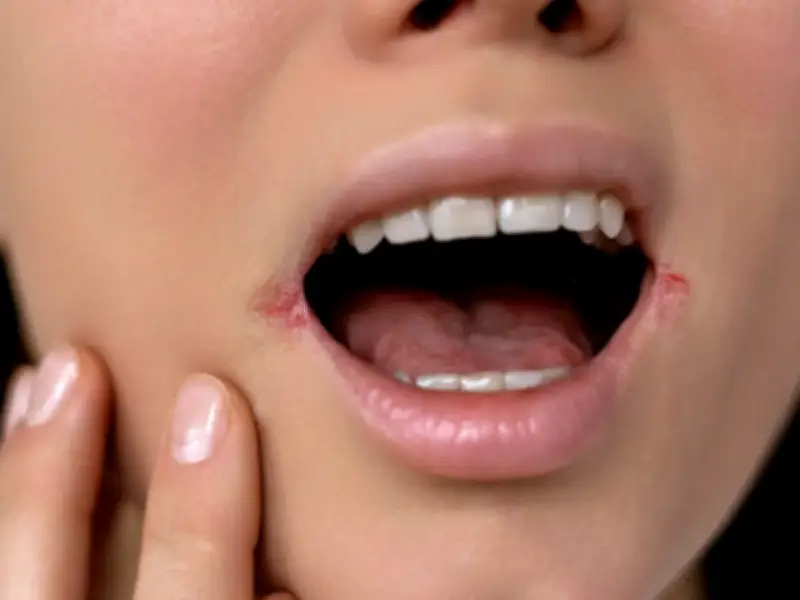
Persistent cracked corners of the mouth this winter could be a sign of an underlying vitamin deficiency rather than just the cold weather, according to a dentist who is urging people not to ignore the condition.
Dr Nilesh Parmar, an award-winning cosmetic and implant dentist and clinical director of Parmar Dental Group in Essex, who also works with Emergensee, a network of private emergency dental practices, said most cracked corners have a simple cause, but those that keep returning deserve closer attention.
What causes cracked mouth corners
The medical name for the condition is angular cheilitis, also known as angular stomatitis. The dermatology resource DermNet describes it as a common inflammatory condition that can affect children and adults, causing painful cracks that are worse when opening the mouth, along with redness, crusting, oozing and sometimes bleeding, usually affecting both sides. Depending on the cause, it may last a few days or persist indefinitely.
Dr Parmar said: "Cracked corners of the mouth are something we see regularly, especially in cold, dry weather, and the cause is usually simple, such as saliva collecting there or licking dry lips. But if they keep coming back or won't heal, they can occasionally be a sign of a hidden deficiency, such as low iron or a lack of certain B vitamins, and your GP can arrange a blood test."
Common triggers and infections
Dry or sore lips are a common problem, especially during hot or cold weather, according to the NHS, which lists cold weather, dry air and wind among the common causes. DermNet says angular cheilitis most commonly happens when the corners of the mouth are exposed to saliva for long periods, and that licking the lips makes it worse.
Dr Parmar said: "Licking your lips feels as though it helps, but it tends to make things worse, as saliva irritates the delicate skin at the corners of the mouth. A plain lip balm or petroleum jelly, applied regularly, is often enough to let it heal."
Once the skin has cracked and stays moist, germs can take hold. Swabs from the corners of the mouth are most likely to grow the yeast Candida albicans or the bacterium Staphylococcus aureus, according to the Primary Care Dermatology Society. Candida also causes oral thrush, which the NHS says can lead to cracks at the corners of the mouth. The NHS says thrush is more likely in people who take antibiotics over a long time, use asthma inhalers, wear dentures or have a long-term condition such as diabetes.
Dentures and nutritional deficiencies
Deep creases at the corners of the mouth can trap saliva. The Primary Care Dermatology Society lists exaggerated skin folds, which are common in older people, and dentures, especially if they fit poorly, among the causes. It says poorly fitting dentures should be replaced, which may help restore the contour of the face and reduce the size of the creases.
The NHS says dentures can become loose as the gums and jawbone shrink or change shape with age, and the Scottish Dental Clinical Effectiveness Programme's prescribing guidance for dentists says cracked corners in denture wearers are usually caused by Candida. Dr Parmar said: "Worn or loose dentures can let the jaws close further than they should, which deepens the creases at the corners of the mouth so saliva sits there. If that's the cause, the cracks tend to come back until the denture is put right."
DermNet lists iron deficiency, riboflavin (vitamin B2) deficiency, vitamin B12 and folate deficiency, zinc deficiency and coeliac disease among the nutritional risk factors for angular cheilitis. The NHS includes painful open sores in the corners of the mouth among the less common symptoms of iron deficiency anaemia, which more often causes tiredness, shortness of breath, noticeable heartbeats and paler than usual skin.
Treatment and when to seek help
DermNet says many cases clear up without treatment, and that a lip balm or a thick emollient ointment applied frequently is often enough on its own when saliva is the cause. The dental prescribing guidance recommends miconazole cream, which works against both yeast and some bacteria, fusidic acid ointment where the infection is clearly bacterial, and a miconazole and hydrocortisone cream or ointment for cases that don't respond.
It says miconazole should not be prescribed for people taking warfarin or statins. With treatment, improvement is usually seen within the first few days and it typically clears within two weeks, but repeat episodes are common, according to DermNet.
Dr Parmar said: "If the cracks are weeping, crusting or spreading, speak to a pharmacist, dentist or GP, as you may need a cream that treats an infection rather than just a lip balm. If you take regular medication, particularly warfarin, check with your pharmacist before using miconazole cream, as it can interact with certain medicines."
The NHS says a pharmacist can advise on treatments for dry or sore lips and whether you need a GP. It advises seeing a GP if your lips are hot, painful and swollen, which could be a sign of infection, or if you think you might have iron deficiency anaemia, and seeing a dentist if your dentures slip, no longer fit properly or are causing pain.