As autumn begins, shorter days and colder weather push people indoors, and weaker immune systems in winter mean contagious illnesses such as colds, flus and COVID are rising again.
Key health bodies including the UK Health Security Agency (UKHSA) and NHS have warned that COVID cases are increasing, with a notable rise in cases, deaths and hospital admissions.
Rising COVID and flu figures
In the week leading up to September 30, UKHSA data showed COVID cases up 34.6% (an increase of 477), deaths up 47.4% (an increase of nine) and hospital admissions up 33.5% (an increase of 293).
Like other viruses, Covid-19 adapts to survive, leading to different strains and variants. The most common virus at the moment is a variant of XFG, more recently dubbed 'American Covid'. XFG received its nickname after becoming the most common variant in North America, and it has now reached the UK and led to an increase in hospital admissions.
Alongside rising COVID cases, the NHS has warned of a possible early winter flu season. Its first winter virus surveillance data of the year shows flu activity throughout September was higher than in the same period over the past four winters.
Vaccination advice
While levels remain at baseline, meaning still relatively low overall, the upward trend suggests an early flu season. The rise so far has been driven largely by cases among those aged between 18 and 24.
NHS national medical director Professor Frankie Swords said in a briefing: "From an NHS perspective, it is very early in the season, but the number of admissions for flu are the highest that I can remember seeing at this time of year, and it’s coincided with just the start of the expected increase in Covid cases in our hospitals."
"But this is coming on the back of the busiest summer we’ve ever had in our emergency departments, we have got very, very busy hospitals. So slightly ominous early signs of winter pressure."
Health bodies are urging those who are eligible to take up vaccinations for both COVID and seasonal flu. The UKHSA said vaccines remain the best defence against severe disease and hospitalisation from flu and COVID.
Guidance for those with symptoms
Those eligible for a vaccination will be contacted by the NHS, including people aged 75 and over, those with weakened immune systems, and those living in care homes for the elderly.
Those eligible for a free flu vaccine include: pregnant women; all children aged two or three years on 31 August, 2026; primary school and secondary school-aged children, from reception to year 11; young people aged 17 and over attending a special educational needs (SEN) school who are also in a clinical risk group; and all children in clinical risk groups, from 6 months to less than 18 years.
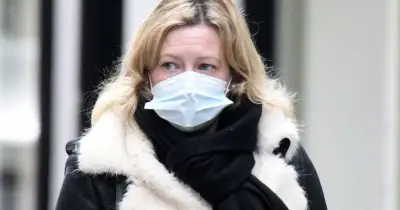
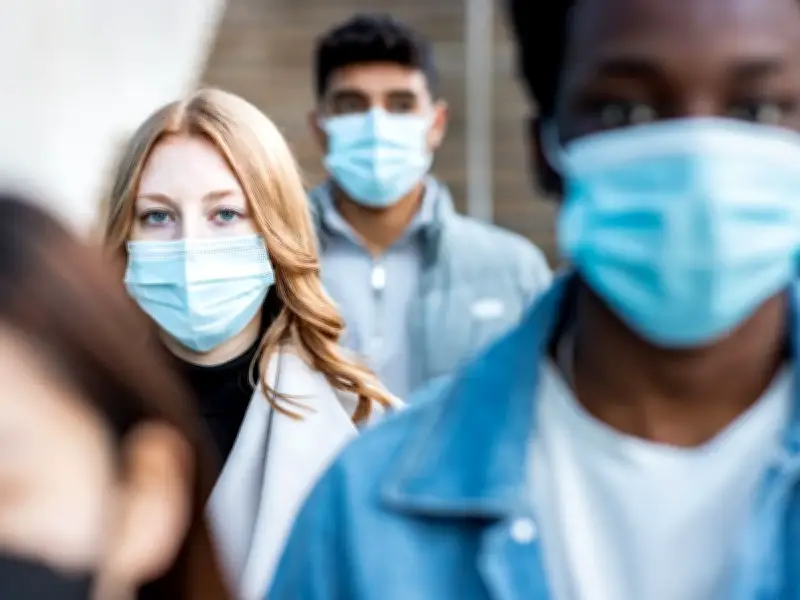
The UKHSA has warned that while you should stay at home if you have symptoms of a respiratory infection, including COVID, if you must go outside you should wear a "well-fitting face covering".
The UKHSA advises that if you have symptoms of a respiratory infection, such as COVID-19, you should avoid contact with vulnerable people and stay at home if possible.
If this isn't possible and you have to leave the house, the guidance from the UKHSA is as follows:
- wear a well-fitting face covering made with multiple layers or a surgical face mask
- avoid crowded places such as public transport, large social gatherings, or anywhere that is enclosed or poorly ventilated
- take any exercise outdoors in places where you will not have close contact with other people
- cover your mouth and nose when you cough or sneeze; wash your hands frequently with soap and water or use hand sanitiser after coughing, sneezing and blowing your nose and before you eat or handle food; avoid touching your face