
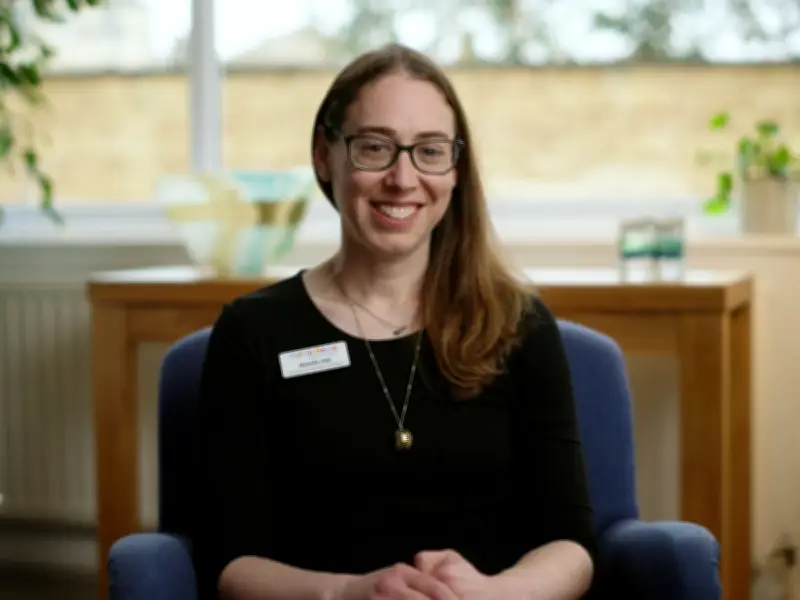
Dr Michelle Hills, a leading children's palliative care doctor, is encouraging people to discuss death more openly, explaining that the reality is often far calmer and more peaceful than many imagine. As chief medical officer at Martin House Children's Hospice in Boston Spa, West Yorkshire, and author of the upcoming book The Wrong Order of Things, she has supported numerous children and families at the end of life.
Fear of the Unknown
Dr Hills noted that people are frequently terrified of death because they have never witnessed it in real life, while media portrayals are often exaggerated or frightening. “The deaths we see in films are often dramatic, sometimes brutal and occasionally poetic, with someone saying something profound before instantly dying,” she said. “In real life, many people grow up without witnessing the death of someone they love. When a child is approaching the end of their life, their parents and siblings may therefore be seeing someone die for the first time. I try to prepare families gently because their imagination is often far more frightening than the reality.”
A Peaceful Process
While acknowledging that the grief surrounding a child's death is “momentous and soul-crushing”, Dr Hills emphasised that the physical process of dying is not necessarily something to fear. “I have witnessed many deaths through my work and within my own family and I can honestly say dying can be calm, peaceful and often beautiful,” she said. “When it has been recognised that a child is dying, the atmosphere can change from loud, frantic medical intervention to calm and cuddles, surrounded by the people they love.”
Families may play a child's favourite film, read stories or prayers, or place a favourite teddy beside them. Parents can climb into bed for a cuddle, while siblings may continue playing nearby. “There are tears, but there can also be laughter as families remember happy moments,” Dr Hills said. “Medication will be given if there is any concern that a child is uncomfortable or distressed. Overwhelmingly, the atmosphere is peaceful.”
Signs of Approaching Death
As death approaches, a child will usually become increasingly sleepy and their breathing will change. Their breaths may become shallower and less frequent, with pauses followed by sudden gasps. Their breathing may also sound noisy or rattly because they are so relaxed that they are no longer swallowing the small amount of saliva at the back of their throat. “Although this can worry families, it does not usually mean the child is distressed. Their skin may become paler or slightly blue and their hands may feel cool. Eventually, there will simply not be another breath. Death can occur as gently and quietly as falling asleep.”
Dr Hills said parents often comment on how peaceful and relaxed their child looks afterwards. “Living with the grief of a child's death is without doubt one of the worst things any parent can experience,” she said. “But I want us to talk more openly about what dying and death actually look like. People are often most afraid of what they do not understand. Our imaginations can create images far more frightening than reality. By speaking honestly and compassionately, we can help families feel better prepared and less afraid.”
Martin House Children's Hospice
Every year, Martin House supports more than 550 babies, children and young people with life-shortening conditions, and their families, across West, North and East Yorkshire. Its specialist teams provide care at the hospice, in hospitals and in families' homes, including end-of-life care and bereavement support.




