
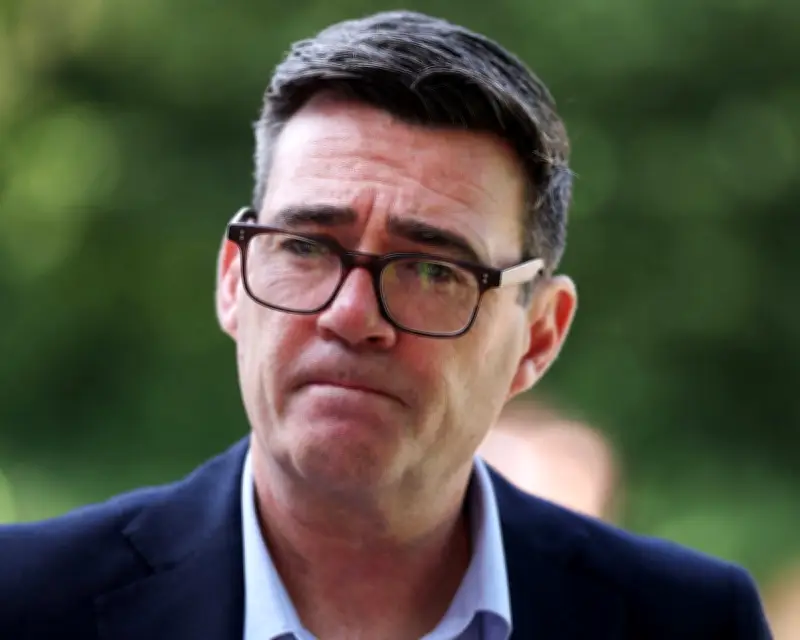
Andy Burnham has pledged to work collaboratively with other parties to find a lasting solution on social care, though the Conservatives have ruled out backing changes funded by tax rises or borrowing.
Cross-party talks announced
Speaking before a major social care speech this Wednesday, Burnham said he would lead cross-party talks on fixing the broken system. The prime minister said: “I want to build a different way of doing politics with more problem solving, less point scoring, and credit to the leaders of the two main parties, Kemi Badenoch and Ed Davey, both of whom have reached out over the weekend to say they’re prepared to engage in talks.”
Burnham added: “On this issue, no party is in a position where they’ve got the high ground. We’ve all failed on this issue, over decades, and the pressure now on the National Health Service as a result of that failure is huge.”
Options for reform
The prime minister is understood to be committed to exploring a new system that would be free at the point of use, saying he would like one that “operates on the NHS principle”. Other options, such as a care costs cap, are understood to be less attractive to Burnham, though they would cost the taxpayer significantly less than a national care service. A middle-ground option would be a model similar to Scotland’s, where personal care costs are paid by the state but other costs, such as accommodation and food in care homes, are borne by individuals and their families.
Political reactions
Senior Labour and Liberal Democrat figures have privately cast doubt on Burnham’s ability to find a cross-party consensus, given the terms of the Tories’ participation. Labour MPs have broadly welcomed the prospect of reform, though several cautioned that serious consideration would need to be given to how to protect people from losing their homes to care costs or penalising with new taxes those who had already saved for retirement and care.
Davey has said he is also prepared to make tough decisions to support the right social care reforms. The two leaders have agreed in principle to meet and discuss how to find consensus. A Lib Dem source said they had been taken aback by the unwillingness of Keir Starmer’s government to work with Davey on social care – particularly given the family experiences of both Starmer and Davey with the care system. The source said: “Unless you manage to at least make an attempt at consensus, having a big majority means nothing. Because what happens is you ram it through parliament, and then the opposition parties just tear it to bits, and that’s what’s happened time and time again.”
Conservative and Green positions
In a letter to Burnham setting out the terms for supporting any reform, Badenoch said it had “not been at all simple” to find a consensus on reform. She said the Conservatives would only support reforms funded by spending cuts. “You must rule out any tax rises, or increased borrowing that will ultimately fall on the next generation to pay for,” she added.
The Green party MP Ellie Chowns said her party would work constructively on social care reform and attempt to build consensus for a service that was similar to the NHS. She said: “The Greens would absolutely welcome proposals which seek to inject much-needed urgency into reforming the care sector and move us towards a system of free adult social care for all, and stand willing to constructively work with the government to best achieve these aims.”
Timeline and details
Though he said he would not put a specific timeframe on reform, Burnham said he wanted to move quickly. He told the BBC: “I would not want to leave office without having brought in the substantial change, the new system of social care.” A key issue will be speeding up Louise Casey’s review of social care, which had been expected to report by 2028 but which the health and social care committee has said should be completed by the end of the year. Only people with assets below £23,250 currently qualify for support with their care costs.
Burnham will have to navigate relations with trade unions as he seeks to reform the social care system. The TUC has said it would back a national care service funded through general taxation, with the emphasis on taxing the wealthy and assets. The public sector union Unison has put major pressure on the government to U-turn on migration measures that would retrospectively affect the right of workers on care visas to remain in the UK.




