
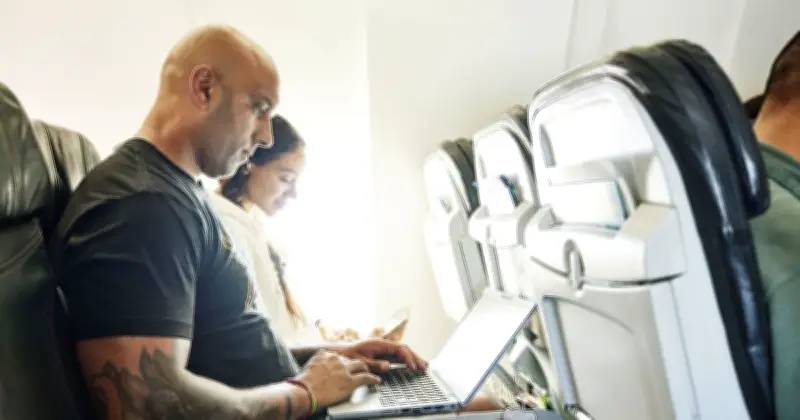
Brits flying this summer are being advised to spend as little as £2.60 to avoid a potentially life-threatening condition. Mobility experts warn that crossing your legs while seated on an aircraft can significantly reduce blood circulation, raising the risk of deep vein thrombosis (DVT).
Why Crossing Your Legs Is Dangerous
Lee Cartwright, mobility expert at Mobility Solutions Direct, explained that remaining in the same position for hours, especially with legs crossed, restricts blood flow and strains the circulatory system. DVT most commonly develops in the legs and can become extremely dangerous if a clot breaks away and travels to the lungs, causing a pulmonary embolism.
Older Travellers at Greater Risk
While DVT can affect anyone, older travellers are particularly vulnerable. “As we age, our circulation tends to slow, muscle strength declines and the valves inside our veins become less effective at returning blood to the heart,” Cartwright said. He added that conditions such as diabetes or cardiovascular disease further increase the likelihood of blood clots during long periods of inactivity.
Prevention Tips
Long-haul flights over four hours carry higher risk, but shorter flights can also reduce circulation if passengers stay seated for extended periods. Cartwright recommends keeping both feet flat on the floor, standing up and walking the aisle every hour when safe, and performing simple exercises like flexing feet, rotating ankles, or lifting knees every 30 minutes. Staying hydrated is also important, as dehydration thickens blood. For those at higher risk, graduated compression socks – available from £2.60 per pair – can promote healthy blood flow and reduce swelling.
Symptoms to Watch For
Travellers should be aware of DVT warning signs after flying: throbbing pain in one leg, swelling, warmth, red or darkened skin, or hard, tender veins. Anyone experiencing these symptoms, especially with chest pain or difficulty breathing, should seek prompt medical advice.




