A British doctor has been flown back to the UK after testing positive for Ebola while working on the outbreak in the Democratic Republic of the Congo. The medic was evacuated on a specialist air ambulance and is now being treated in a secure isolation unit at London's Royal Free Hospital, health officials said.
Evacuation and Current Treatment
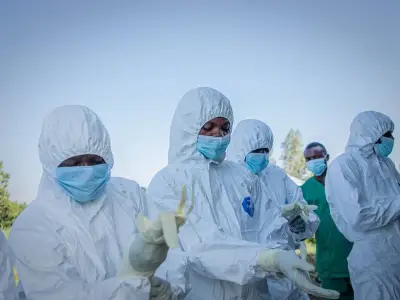
The evacuation was carried out in coordination with the UK and Congolese governments and international health agencies. The doctor is believed to have been working to combat an Ebola outbreak in the DRC, central Africa, which UN figures indicate has claimed more than 5,100 lives. The patient is reportedly in a stable condition ahead of their arrival back in the UK.
Dr Renu Bindra, deputy director of the All Hazards Public Health Response team at the UK Health Security Agency (UKHSA), said: "UKHSA and the NHS have well-established and robust infection prevention and control protocols to limit the risk of onward transmission, and the risk to the wider public remains low."
Risk to the Public Assessed as Low
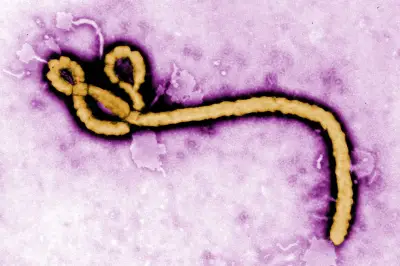
Ebola carries an extremely high fatality rate, with previous outbreaks proving fatal in between 25% and 90% of those infected. Those who contract the disease typically begin showing symptoms anywhere between two and 21 days following exposure to an orthoebolavirus. Initial signs include fever, aches, pains and fatigue, which can subsequently deteriorate into diarrhoea, vomiting and unexplained bleeding.
Prior to this case, the UK had only recorded four confirmed instances of the virus – one in 1976, stemming from a laboratory needle accident, and three involving healthcare workers responding to an outbreak in west Africa between 2014 and 2015.
Hospital Facilities and Expert Views
The Royal Free Hospital operates a high-level isolation unit staffed by a specialist team of doctors, nurses and laboratory personnel. The unit has previously treated adult patients suffering from Lassa fever, Ebola and Crimean Congo haemorrhagic fever. Entry to the unit is strictly controlled, and it features a specially designed tent with regulated ventilation that still permits NHS staff to deliver care. All air exiting the unit is thoroughly filtered, meaning there is no risk to anyone within or outside the hospital.
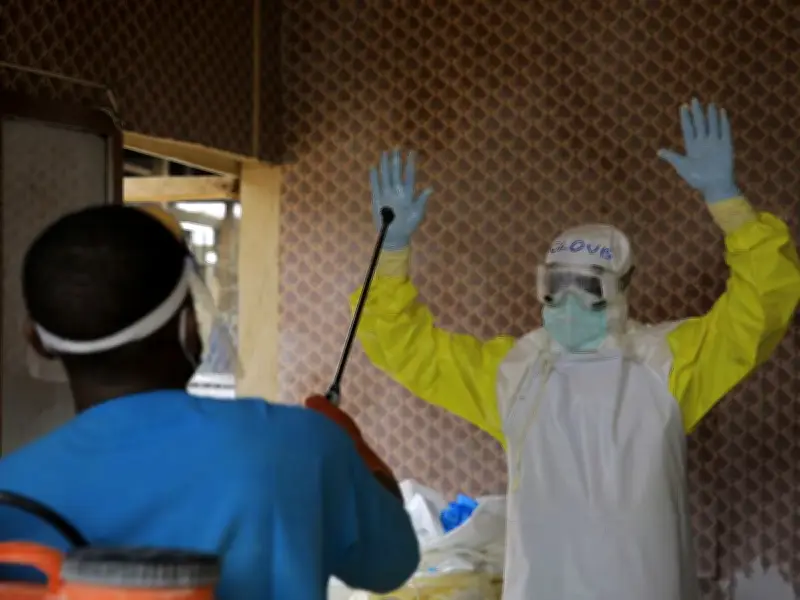
Professor Emma Thomson, director of the MRC-University of Glasgow Centre for Virus Research, said: "The UK is extremely well prepared to care for patients with Ebola. Although Bundibugyo virus, the cause of the current outbreak, can cause severe disease and is highly infectious through direct contact with infected bodily fluids, the Royal Free has state-of-the-art isolation facilities and highly experienced clinical teams. Strict protocols are in place to protect healthcare workers and prevent onward transmission. The risk to the wider UK public is extremely low."
Dr Damien Tully, an expert in infectious disease from the London School of Hygiene & Tropical Medicine, said: "The infection of a British healthcare worker with Ebola is deeply concerning, but it is not entirely unexpected. Healthcare workers are on the front line of these outbreaks, often treating severely-ill patients under extremely challenging conditions. Even with rigorous protective measures, accidental exposures can occur. This case is a stark reminder of the risks faced by those responding to the outbreak of Ebola disease caused by Bundibugyo virus in the DRC. However, it does not suggest that the virus has become more transmissible or that the threat to the UK has increased. Unlike respiratory viruses such as Covid-19 and influenza, that can spread through the air, Ebola is transmitted primarily through direct contact with infected bodily fluids, and people are not generally infectious until they develop symptoms. This means that identifying and isolating cases, together with appropriate infection prevention measures, can be highly effective in preventing onward transmission. For the UK public, the risk from this planned medical evacuation is extremely low."