The British Heart Foundation (BHF) defines high blood pressure as readings persistently over 140/95 mmHg for most people. This is a "serious condition," and experts warn that if left uncontrolled, it could cause loss of vision, kidney failure, heart failure and vascular dementia.
Arteries are normally flexible and can cope with changes in blood pressure. However, if blood pressure remains high over time, arteries can become stiff or narrowed, making it easier for fatty deposits to build up and raising the risk of a heart attack or stroke.
Lifestyle Changes Recommended First
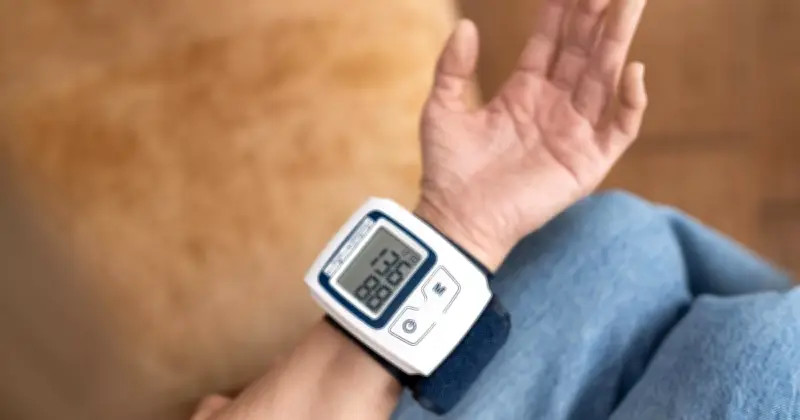
In an update from the Mayo Clinic, they have urged people to consider "lifestyle changes" as it plays a "big role in treating the condition." The Mayo Clinic has listed "10 ways to manage high blood pressure without medicine," including monitoring at home, weight and waist management, eating healthy foods, getting enough sleep, easing stress, avoiding smoking or vaping, exercising regularly, managing cholesterol and blood sugar, limiting salt, and limiting alcohol.
Adults should aim for 7 to 9 hours of sleep each night, as getting fewer than 7 hours every night for weeks can affect blood pressure. Exercise can lower high blood pressure, with a goal of 75 minutes of vigorous aerobic activity or 150 minutes of moderate physical activity per week.
Salt, Alcohol and Support
Limiting sodium to 2,300 milligrams (mg) a day or less is recommended, but for most adults, limiting sodium to 1,500 mg a day or less is better, which may lower high blood pressure by about 5 to 6 mm Hg. The advice also includes not drinking every day, with one drink equaling 12 fluid ounces of beer, 5 ounces of wine or 1.5 ounces of 80-proof liquor.
The Mayo Clinic reassures anyone worried: "Making lifestyle changes takes time. Some days it might feel challenging. So ask your family or friends for support when you need it. Support can come in many ways. Friends or family may drive you to healthcare checkups or exercise with you to keep your blood pressure low."
If you're concerned about your health including blood pressure, or suspect it could be high, don't brush it off - speak to your GP or another qualified healthcare professional. Lifestyle changes can help, but they don't work for everyone, and some people will still need medication. Only a clinician can properly assess what's right for you and recommend a treatment plan tailored to your individual health needs.