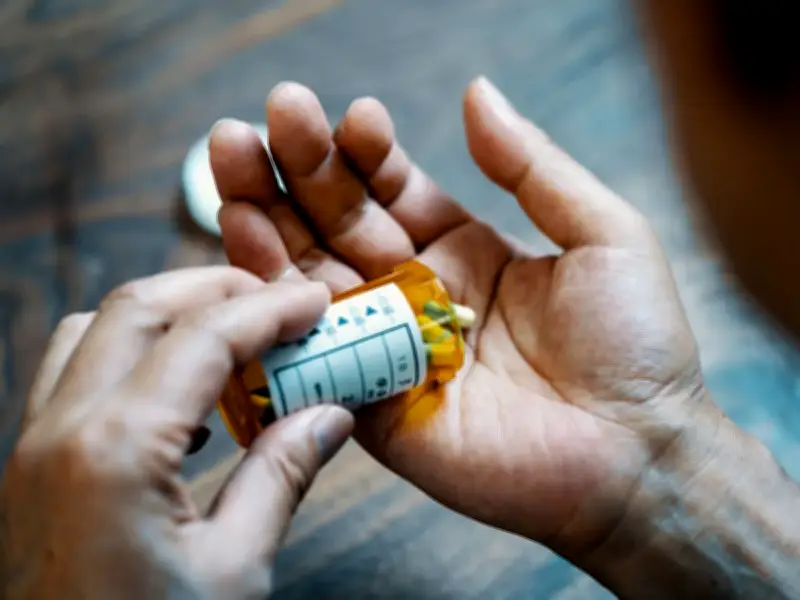
Pharmacist Raj Patel, known online as the Straight Talking Pharmacist, is warning that taking ibuprofen alongside common blood pressure tablets such as ramipril, lisinopril, losartan and candesartan can carry risks without prior medical advice. The over-the-counter painkiller, available for as little as 2p a pill in stores like Asda, Morrisons and Aldi, is used for headaches, toothache and back pain.
How Ibuprofen Affects the Kidneys
Ibuprofen reduces blood flow to the kidneys by blocking chemical messengers called prostaglandins, which normally help keep kidney blood vessels open and support filtration. A sudden drop in kidney function can happen over hours or days, especially if blood flow is already strained.
Ramipril is prescribed to around six million people in the UK alone. Mr Patel advises treating the purchase of ibuprofen as a 'mini medicines check', because the interaction risk depends on a person's full list of prescriptions and anything bought independently from supermarkets or online.
Advice Before Buying Ibuprofen
Before buying ibuprofen, the medicine expert recommends telling a pharmacist the names and strengths of all medicines being taken, including low-dose aspirin, supplements and anything bought elsewhere. A photo of a repeat prescription list can help, but it is also important to mention what has actually been taken recently, not just what appears on the list.
One common misconception is that taking ibuprofen with food makes it safer. Mr Patel says food may reduce stomach irritation, but it does not eliminate kidney or blood pressure interactions. He also warns against assuming that because one combination has been mentioned as acceptable, all similar combinations are safe. For example, he says 75mg of aspirin can be taken with ramipril, but that does not mean adding ibuprofen to regular low-dose aspirin is automatically suitable.
Red Flags and Next Steps
If ibuprofen is prescribed, Mr Patel suggests asking a doctor whether blood tests are needed to check kidney function and potassium levels. A normal older result does not guarantee safety during a new illness. Taking one dose does not automatically mean major harm has been done, but it is worth noting the product, strength, amount and time, then checking with a pharmacist before taking more.
Mr Patel urges people to watch for red flags of possible kidney injury, such as much less urine, new swelling, unusual confusion or drowsiness. Urgent help should be sought via an urgent GP appointment or NHS 111, and for life-threatening symptoms, people should call 999.