
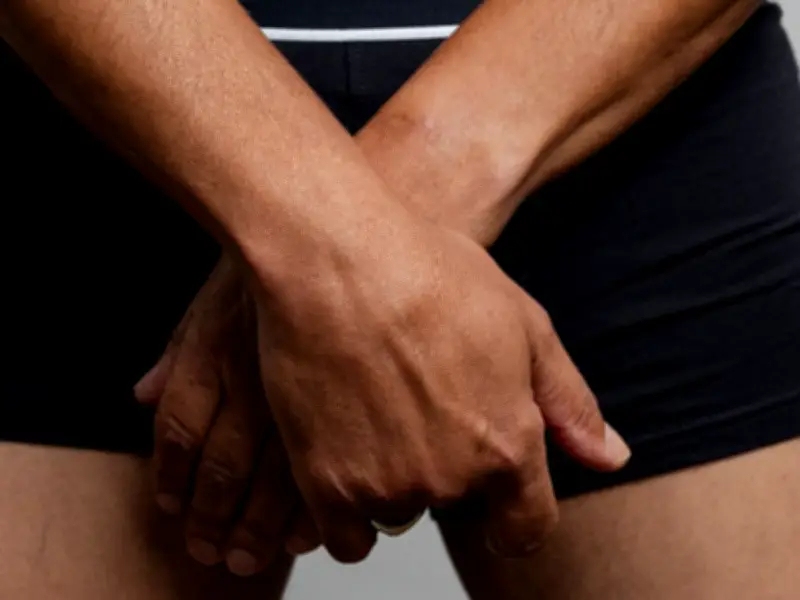
Social media is driving a dangerous new body modification trend known as 'ballmaxxing', where men inject saline or other substances into their scrotums to temporarily enlarge them. Experts have raised concerns over the health risks, including infection, tissue damage, infertility and permanent injury.
Part of wider 'maxxing' culture
The trend is the latest in a growing wave of 'maxxing' culture, where online communities encourage men to relentlessly optimise their appearance through risky or unproven methods. From looksmaxxing and jawmaxxing to extreme fitness regimes, these movements pressure men to chase unrealistic ideals.
RedGIFs, a short-form adult content platform, sees thousands of creators daily. Lylli Dupéré, Head of Community and Creator Success at RedGIFs, said the platform's insight shows no single 'ideal' body type exists, making viral trends like ballmaxxing a stark contrast to what people actually find attractive.
Expert warns of real anxieties
Dupéré stated: 'We see every day that attraction isn't one-size-fits-all. People are drawn to all kinds of bodies, yet social media has a way of convincing users there's only one version of 'attractive' worth striving for.'
'Every few months another trend emerges telling men they need to improve a different part of themselves, and it's creating insecurities where they didn't exist before.'
Health risks and online circulation
Medical experts have warned that injecting substances into the scrotum carries serious health risks. Despite this, the trend continues to circulate online, particularly in communities centred on self-improvement and appearance.
Dupéré said: 'It's easy to dismiss trends like this as just another strange internet obsession, but they're often rooted in real anxieties. Many men are under increasing pressure to compare themselves with carefully curated images and unrealistic ideals, and that can have a genuine impact on confidence and self-esteem.'
Body image pressures on men
While appearance pressures have historically been associated with women, Dupéré believes men are increasingly facing similar challenges. 'Body image isn't a gendered issue anymore. Men are feeling the weight of unrealistic expectations too, but there's still far less space for them to talk openly about it. When insecurities go unspoken, people are more likely to seek answers from online communities that don't always promote healthy advice.'
'The internet will always create new trends. The real challenge is making sure we're also creating spaces where people feel valued for who they are, rather than constantly being told they need to change.'




