
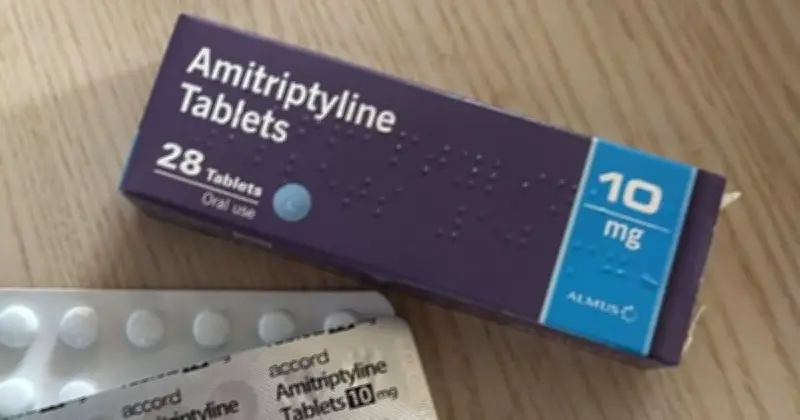
Millions of people across the UK rely on amitriptyline for various health conditions, from pain management to depression. Initially licensed during the 1960s as an antidepressant, the medication is now predominantly prescribed for treating nerve pain and preventing migraines. Statistics reveal that over 15 million prescriptions of the drug were issued in the UK during 2022-23, with higher doses administered to those using it for depression compared to pain relief.
Strict guidelines surround taking the medication, including taking it at night, as it can induce drowsiness. Additionally, while alcohol consumption is permitted while using it, individuals should cease drinking if it causes sleepiness. Amitriptyline users must also be aware of some symptoms to look out for of side effects of the medication. These include constipation, feeling dizzy, dry mouth, feeling sleepy or tired, difficulty peeing, and headache.
Heatwave Warning for Amitriptyline Users
Yet there is an additional guideline people need to be mindful of as temperatures climb over the summer months. This weekend, certain areas of the country are expected to reach 32°C, reports The Mirror. The UKHSA has issued an amber heat health alert for the East of England, South East, South West and London until 8pm on Tuesday June 23 while a yellow heat alert is in place for the West Midlands and East Midlands over the same period.
According to the amitriptyline patient leaflet, high temperatures can affect the medication. It advises: "Store below 25°C in a dry place, protected from light." The Medicines and Healthcare products Regulatory Agency has previously issued a warning regarding medications during a heatwave — including amitriptyline.
Storage Tips During Hot Weather
The agency warned: "Most medicines need to be stored at temperatures below 25°C. But cars, trains and buses can heat up quickly during the summer, and rooms with direct sunlight can get much hotter than you would think. Even bags and pockets can get warm enough to cause problems, especially if you are out all day or at a festival, sports event, or the beach."
"Heat can break down the active ingredients in medicines, meaning they might not work when you need them. That includes tablets, inhalers, hormone patches, insulin, and EpiPens. Some packaging will give clear storage instructions, but not all medicines come with a visible warning."
It added: "If your medicine has changed colour, developed an unusual smell, changed texture, or looks different in any way, this could signal heat damage. Ask your pharmacist for advice. If you are at home, check the patient information leaflet for storage instructions and keep medicines in the coolest part of the house, away from direct sunlight. If you are travelling, avoid leaving them in parked vehicles or warm bags. A cool bag can help if you are going to be out all day."
"Heat damage can also affect how much medicine your body absorbs, potentially making your usual dose too strong or too weak. If you notice any changes in how you feel or how well your medicines seem to be working during hot weather, speak to your pharmacist or doctor."




