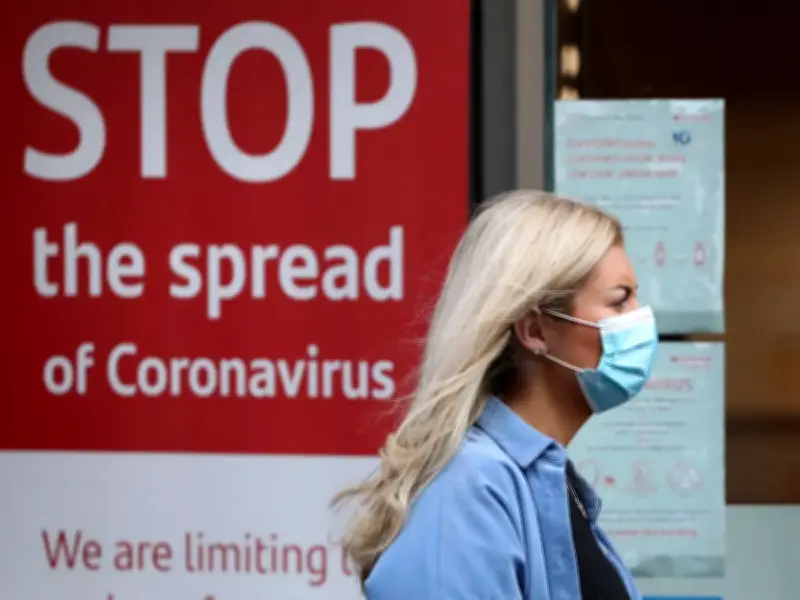
New UK Health Security Agency (UKHSA) data shows Covid-19 cases are rising again, with a newer strain known as XFG – dubbed 'American Covid' – now spreading across the country. Over the past week, there have been 303 new cases of Covid-19, bringing the total to 1,364, an increase of 28.6 per cent. Hospital admissions have risen by 15 per cent, an increase of 34 to a total of 261.
What is 'American Covid'?
XFG, a variant of the Stratus strain, was given its nickname after becoming the most common variant in North America. It has now reached the UK and led to an increase in hospital admissions. Dr Alex Allen, a consultant epidemiologist at the UKHSA, says XFG is "closely related" to other strains, the Metro reports.
"The strains currently going around, including those known as XFG, are closely related to strains that have been with us for over a year, so this isn't something new," Dr Allen said. Experts have previously assured that these strains do not seem to pose any greater threat than previous types of Covid or make people feel more ill. But the virus's genetic changes may increase the likelihood of infection and could present slightly different symptoms, including a scratchy throat.
Symptoms to look out for
Dr Kaywaan Khan, a Harley Street GP and Founder of Hannah London Clinic, told the Mirror: "You can still get some of the same features as with the common cold, like a cough or runny nose, but we are seeing a lot more hoarseness of voice." Dr Khan added: "It's not a defining feature, you can experience this with the common cold too, but with Covid, you can get a bit of laryngitis and this hoarse voice."
He also noted: "You can get a razor-sharp sore throat, but also loss of taste. It's probably less common than the first strains, but that can indicate Covid." Pharmacist Daniel Cheung, writing in NowPatient, said the key symptoms of the Stratus variant include hoarseness and a scratchy or raspy voice, which is considered a unique symptom distinguishing it from other Covid strains. Other symptoms include a dry cough, sore throat, fever, fatigue, muscle aches and a loss of sense of taste and smell.
Impact on the NHS and vaccination
The Independent reported that there is currently an increase in hospitalisations across NHS hospital trusts owing to 'American Covid', and the latest laboratory surveillance from the UKHSA shows more than half of all sequenced positive samples in England now test positive for XFG, or the Stratus variant. While hospital admissions remain lower than pandemic highs, it is putting a strain on the NHS at a time when other illnesses are also on the rise.
For flu and Covid, most eligible adults in England can now receive their NHS vaccination. The autumn Covid vaccination programme is more targeted this year, including adults aged 75 and over, residents of care homes for older adults and people aged six months and over who are immunosuppressed.
NHS guidance on isolation and self-care
The NHS advises that those with Covid symptoms should try to stay at home and avoid contact with other people. If you test positive, the NHS says you should try to stay at home and avoid contact with other people for three days after the day the test was taken if you or your child are under 18 years old, or five days if you are 18 or over. You should also avoid meeting people who are more likely to get seriously ill from infections, such as those with a weakened immune system, for 10 days after the day you took your test.
To look after yourself if you have Covid-19, the NHS recommends getting lots of rest, drinking plenty of water to avoid dehydration, taking paracetamol or ibuprofen if you feel uncomfortable, trying a teaspoon of honey if you have a cough (not for babies under 12 months), and trying breathing techniques such as breathing slowly in through your nose and out through your mouth, sitting upright in a chair, relaxing your shoulders, and leaning forward slightly with support to help with breathlessness.