
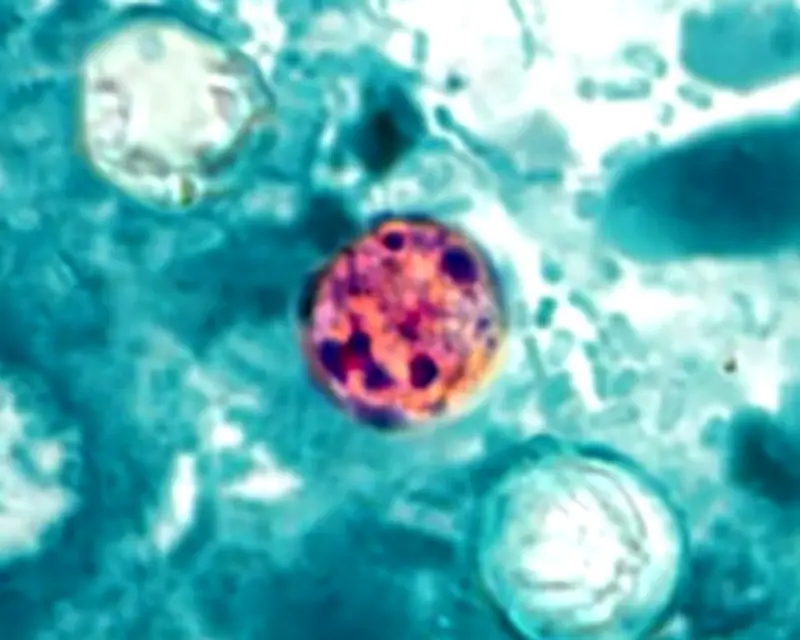
Michigan Reports Nearly 700 Cases of Cyclosporiasis
Health officials in Michigan have reported an alarming increase in cases of cyclosporiasis, a parasitic illness that causes explosive, watery diarrhea. As of Monday, nearly 700 cases were reported to the state's health department, a sharp rise from 170 cases just six days earlier. This number is almost 14 times Michigan's average annual caseload of 50, according to ABC News.
CDC and FDA Investigate Nationwide Outbreak
The Centers for Disease Control and Prevention (CDC) reported more than 400 cases across 18 states as of Friday and is working with the US Food and Drug Administration (FDA) to investigate the clusters. The CDC noted that the true number of cases is likely higher, as many people recover without seeking medical care or testing. No deaths have been reported, and the illness is rarely life-threatening.
Symptoms and Transmission
Cyclosporiasis is caused by the parasite Cyclospora cayetanensis, which spreads through raw produce and water contaminated with human feces. Symptoms include cramps, nausea, fatigue, loss of appetite, low-grade fever, vomiting, and most commonly, watery diarrhea with frequent and sometimes explosive bowel movements. The average time from ingestion to symptom onset is about one week, but can range from two days to two weeks. The illness is not usually transmitted from person to person.
Previous Outbreaks Linked to Fresh Produce
Previous outbreaks have been linked to fresh fruits and vegetables, including a surge in Florida in 2022 caused by contaminated lettuce in packaged salad kits that sickened hundreds.
Rising Cases in Michigan and Ohio
Dr. Natasha Bagdasarian, Michigan's chief medical executive, told ABC News that there is a significant lag time between exposure to contaminated produce and symptom development, and that the 678 cases reported as of Monday represent a moving target. In Ohio, the health department reported 177 cases as of July 2, with 171 reported since June 20.
Investigations Underway
Officials are working to establish links between clusters, which have emerged most visibly in southeastern Michigan, including Detroit. The CDC said there is no suggestion of a connection to outbreaks in other states. As of the CDC's most recent update on July 1, cases had been reported in 17 states, with 20 hospitalizations.
Prevention and 'Cyclosporiasis Season'
The CDC notes that summer months traditionally see a rise in cases, resulting in a cyclosporiasis season from May 1 to August 31. Health officials recommend cooking fresh produce where possible or thoroughly washing it in clean, running water to reduce the risk of illness.




