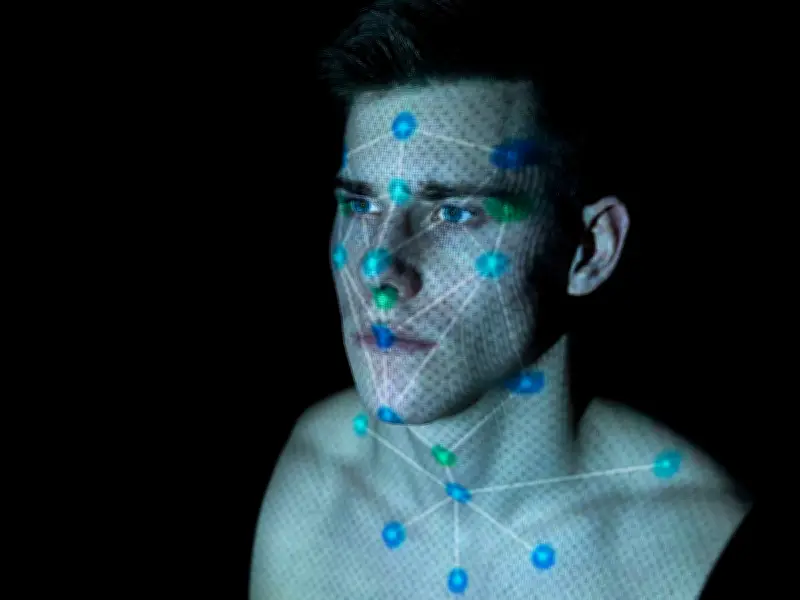
Scientists have developed an artificial intelligence (AI) programme that can detect signs of type 2 diabetes from a 20-second video of a person speaking into a smartphone. The tool, trained to spot speech changes linked to the condition, could help diagnose millions of people who are unaware they are at risk.
Voice changes linked to diabetes
Researchers at RMIT University in Melbourne, Australia, trained the AI to detect speech alterations associated with type 2 diabetes, including increased hoarseness and an inability to control breath. Nearly five million Brits have a diabetes diagnosis, but around 1.3 million could have the condition without knowing it, increasing their risk of amputations, blindness and death.
The tool was trained using more than 63,000 voice samples from over 21,000 people in the UK and US, including 7,000 Brits. Researchers tested the model using 20-second recordings of people reading Aesop's fables aloud. The study found the speech model gave a higher risk score to those who reported having type 2 diabetes 80% of the time.
Potential to expand screening
Giedre Cepukaityte, a cognitive neuroscientist at tech company Thymia, which co-developed the programme, said: "This has the potential to change what screening looks like. A speech sample can be taken over the phone or through an app, so we can reach far more of the people who need a blood test than current pathways do, particularly those who never get to a health check. Our model opens a new route to screening for diabetes."
Screening currently involves blood tests or GP appointments. The NHS includes diabetes screening in health checks offered to people aged 40-plus every five years, but research has shown only 40% of people attend these appointments.
Blood test validation
A second analysis included a sub-group of 801 trial participants who took diabetes blood tests at home within three months of the speech recording. The AI tool gave these people higher risk scores 75% of the time.
Ms Cepukaityte, who will present the findings at the European Association for the Study of Diabetes (EASD) in Milan, added: "This is the largest real-world study of speech-based screening for type 2 diabetes to date which also checks the model's predictions against blood test results as well as against what people reported about their own diagnosis. Those flagged up as higher risk by the model had blood results to match. It is not a replacement for a blood test, and it should never stop anyone who thinks they need one from getting one. Our next step is to test the model in clinical settings and to understand how well it works for every group of people, because a screening tool has to work for everyone."