
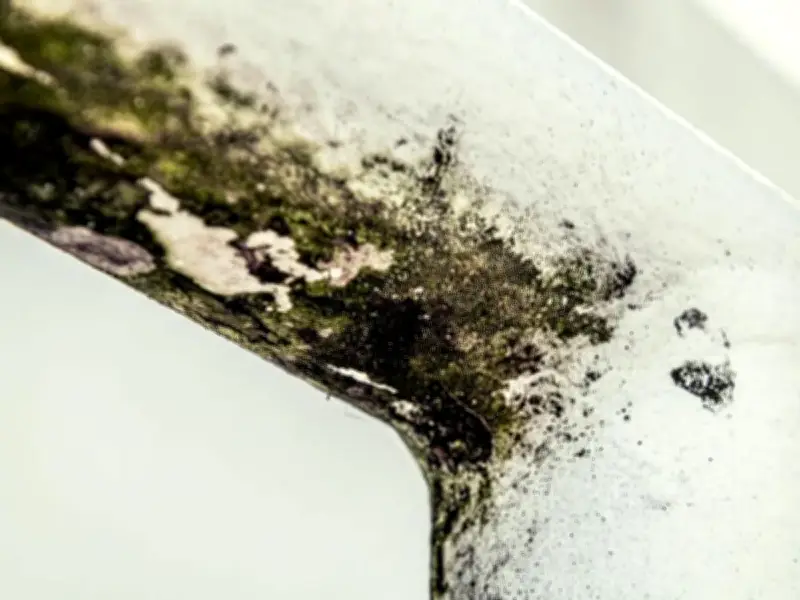
With wetter weather, steamy showers and clothes drying indoors, bathrooms can quickly become a breeding ground for mould. One expert has shared a simple solution that costs as little as 58p to help prevent it from forming in the first place.
Sam Davies, director at mobility bathroom specialists Age Care Bathrooms, says a simple shower squeegee can play a crucial role in reducing moisture before it has a chance to sit or evaporate back into the room. Basic versions can be bought cheaply from retailers such as Amazon or discount stores.
Why a squeegee works
“A shower squeegee is one of those very cheap things that can make a surprisingly useful difference,” said Davies. “Running it over the screen and tiles takes less than a minute, but you’re physically removing water that would otherwise stay in the bathroom. Basic versions can cost as little as 58p.”
For those using a shower curtain instead of a door, Davies recommends cleaning it around once a month by removing it from the rail and putting it through the washing machine or handwashing.
Seven affordable mould prevention tips
Davies has shared seven simple and affordable ways to avoid bathroom mould and bacteria build-up, particularly in homes where older people or those more vulnerable to the effects of damp may be at risk.
1. Don’t automatically reach for bleach – For small patches of mould on hard surfaces, the priority should be removing the mould properly and getting the area completely dry. “The strongest cleaner is not always the best solution when it comes to mould. Instead, clean the mould off properly, dry the area thoroughly, and then work out why it became damp in the first place. Ensure your bathroom is well-ventilated to avoid spots coming back,” said Davies.
2. Try a shower squeegee – Removing water from shower screens and tiles before it evaporates back into the room is one of the simplest ways to reduce moisture.
3. Follow the 20-minute ventilation rule – Humidity does not disappear as soon as someone steps out of the shower. “Leave the fan running for around 15 to 20 minutes afterwards and, where practical, open a window as well,” advised Davies.
4. Clean the extractor fan – Dust and dirt can build up around the cover and vents over time. Davies suggests checking the fan every few months and cleaning away obvious dust and dirt, and checking whether the fan is working effectively if the bathroom stays steamy.
5. Check grouting or sealant – Cracked grout or deteriorating silicone can allow moisture into hard-to-dry areas. “If mould keeps coming back along the same grout line or around the edge of a bath or shower, take a closer look at the condition of the grout and sealant,” said Davies. He also noted that wall panelling is easier to clean than tiling and grout, especially for older adults and those with mobility issues.
6. Try bicarbonate of soda – A cheap household staple that can cost as little as 65p. “Mix a small amount with water to make a paste, apply it to the affected area, and gently scrub before rinsing it away,” said Davies.
7. Avoid drying clothes in the bathroom – Adding wet washing to a room that already produces moisture from showers and baths makes it harder for the room to dry out. If drying clothes in the bathroom is unavoidable, Davies advises putting them through an extra spin, spreading them out, and keeping the extractor running or a window open.
Age Care Bathrooms is a family-run, independent installer of mobility bathrooms across England and Wales, founded after Davies' own family needed safer bathrooms.




