With the festive party season approaching, a pharmacist has highlighted four types of medication that could affect how people feel after drinking alcohol, including some everyday treatments that might catch Christmas partygoers by surprise.
Aamina Rafiq, Superintendent Pharmacist at Simple Online Pharmacy, is urging people to check their medication before reaching for an alcoholic drink. From weight-loss injections and common cold remedies to antihistamines and antibiotics, some medicines can interact with alcohol or worsen unwanted side effects, ranging from nausea and dizziness to increased drowsiness.
Check your medication before drinking
Aamina said: "The important thing to remember is that the advice isn't the same for every medicine. Some combinations should be avoided altogether, while others require extra care depending on your health and circumstances."
"Before heading to a Christmas party, take a few minutes to check the patient information leaflets for any medicines you're taking, including over-the-counter remedies. If you're unsure whether alcohol is safe, speak to your pharmacist or prescriber. And never stop or change a prescribed treatment just because you've got festive plans."
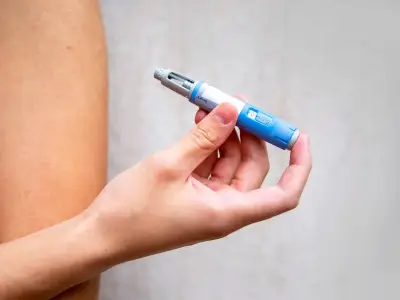
Weight-loss injections and GLP-1 medications
More than 2 million people are now taking these medicines, and many will be wondering how they mix with festive drinks. There's no explicit guidance that prohibits drinking whilst taking GLP-1 medications, but combining them can have some unforeseen knock-on effects.
If you're eating less because the GLP-1 medications are reducing your appetite, the effects of alcohol may hit faster and possibly harder. Equally, if you are experiencing side effects like nausea or acid reflux, alcohol may irritate your digestive system and make the problem worse.
GLP-1s also suppress thirst signals, so you might unknowingly be more dehydrated than usual before having a drink. Alcohol is a diuretic, so if you're not drinking water too, your dehydration may get worse. When dehydrated, there is already less fluid in your system to dilute the alcohol, and so it likely will lead to a higher concentration of alcohol in your bloodstream.
Hangovers are very often caused by dehydration, so they may be worse. If you do choose to drink whilst taking GLP-1 medication, the pharmacist strongly recommends drinking a soft drink (ideally plain water) alternately.
Paracetamol and cold remedies
A sore head or a streaming cold can easily tempt you into taking an extra dose. But the dose on the pack is the limit. Paracetamol is processed by your liver, and so is alcohol, so drinking adds to the workload. Be mindful of your alcohol intake alongside paracetamol and keep a closer eye on how much you're drinking.
If you're suffering with a cold, before you reach for another paracetamol, check your hot lemon sachets and cold and flu capsules too. Many of them contain paracetamol, and it's easy to double up without realising.
Antihistamines and antibiotics
Many "night-time" cold remedies, hay fever tablets and travel sickness pills contain sedating antihistamines such as chlorphenamine (Piriton). It is advised against drinking alcohol with them. The combination can leave you groggy, unsteady and hazy, not only soon after you take them but often into the next day. Always check the label for guidance specific to your medication.
Not all antibiotics rule out a drink, but some do. The best known is metronidazole, often prescribed for dental and stomach infections. Alcohol can cause flushing, a pounding heart and vomiting, and official NHS advice suggests avoiding it while taking metronidazole and for 2 days after your last dose. That includes alcohol in some mouthwashes and medicines such as cough syrups.
If you've been given antibiotics, check the leaflet or ask your pharmacist. Even where there's no strict rule, you're being treated for an infection, so it's worth thinking about whether a drink is a good idea.