A new cancer injection has shown unprecedented results in eliminating tumours in patients whose disease had become resistant to chemotherapy and immunotherapy, according to an international trial.
The drug, amivantamab, shrank tumours in more than a third of patients, with 15 out of 102 participants seeing their tumours disappear entirely. The trial involved patients with head and neck cancer, the sixth most common cancer worldwide, whose disease had spread or returned after other treatments failed.
Kevin Harrington, professor of biological cancer therapies at the Institute of Cancer Research in London, described the results as 'unprecedentedly strong' for a group with very limited options. The findings are being presented at the American Society of Clinical Oncology conference in Chicago.

Amivantamab, developed by Johnson & Johnson, works by targeting cancer through three mechanisms: blocking the EGFR protein that helps tumours grow, inhibiting the MET pathway used by cancer cells to escape treatment, and activating the immune system to attack the tumour. Unlike many treatments, it is administered as a small injection under the skin rather than intravenously, making it more convenient for outpatient care.
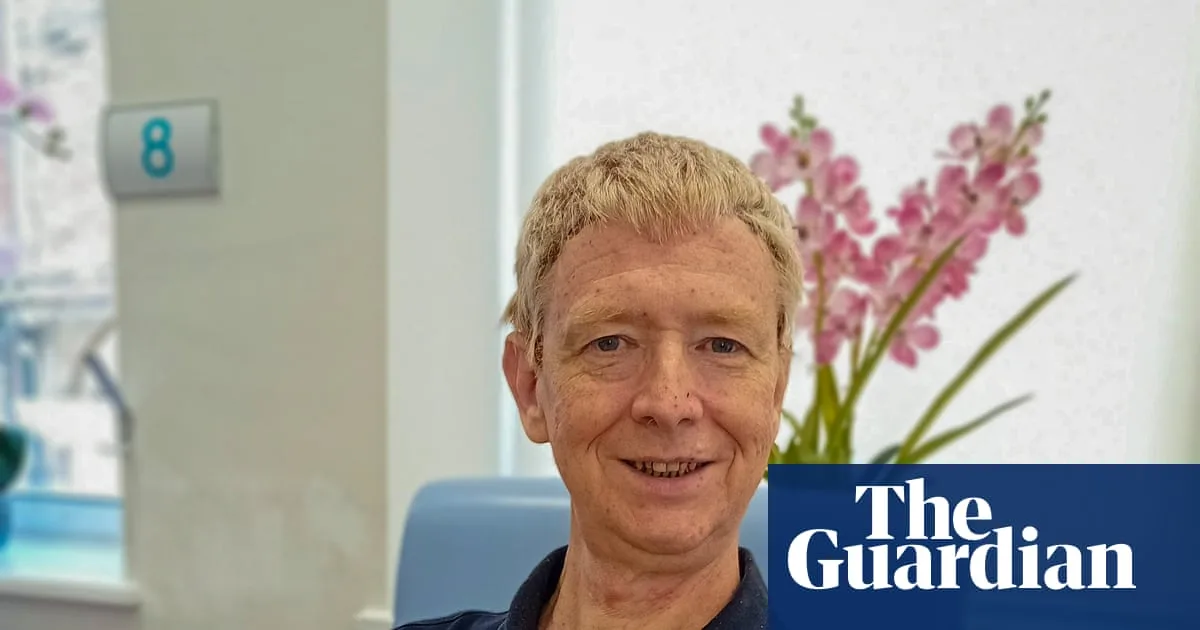
One patient, Carl Walsh, 56, from Birmingham, who was diagnosed with tongue cancer in May 2024, joined the trial in July 2025 after chemotherapy and immunotherapy failed. After 17 cycles of treatment, he reported significant improvement in speech and eating, and has returned to a normal diet. Side effects were mostly mild to moderate, with fewer than 10% of patients stopping treatment.
The trial focused on head and neck cancers not caused by HPV, which are typically harder to treat. Patients receiving amivantamab lived for a median of 12.5 months overall after starting treatment. The drug is now being evaluated in about 60 clinical trials for various cancers, including lung, colorectal, brain and gastric cancers.