Unborn Babies Catch Yawns from Mothers, Study Reveals
Unborn Babies Catch Yawns from Mothers, Study Finds

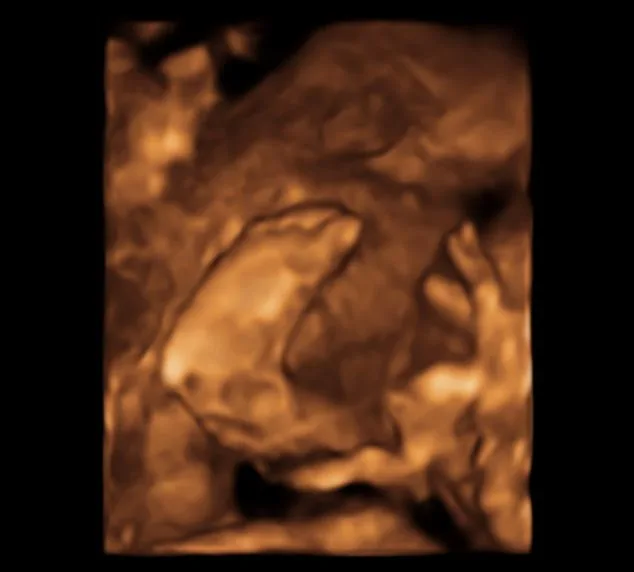
There’s nothing quite as contagious as a yawn – and it turns out even babies in the womb aren’t immune. Experts have discovered foetuses ‘catch’ yawns from their mothers and have been seen slowly opening and closing their mouths.

Study Methodology

As part of a study, researchers recorded the facial expressions of pregnant women while an ultrasound machine captured real-time images of their foetuses’ faces. By comparing the two records, they found that foetuses were more likely to yawn after their mothers did, with a delay of around 90 seconds.

Possible Mechanisms

They suggested yawning may change the mother’s breathing, chest pressure and diaphragm movements, which could provide physical cues the foetus detects. Alternatively, maternal yawning might trigger a hormone response that the unborn baby can recognise.

Wide Pickt banner — collaborative shopping lists app for Telegram, phone mockup with grocery list

‘This study provides the first empirical evidence that foetal yawning can resonate with maternal behaviour,’ the scientists wrote in the journal Current Biology. ‘These findings challenge the view of foetal behaviour as purely reflexive or entirely self-contained. Instead, they support a picture of the foetus as an organism whose behaviour expression is already integrated into a shared biological context.’

Foetal Yawning Development

Generally, foetuses in the womb start yawning at around 11 weeks of development. As there is no air for them to draw in, during a yawn they slowly open their mouths, perform movements that resemble breathing in and out and then gently close their mouths again.

Research Details

For their study, the team from the University of Parma recruited 38 women who were between 28 and 32 weeks pregnant. The women were asked to watch different types of videos, including one showing a person yawning in order to trigger a response. The researchers used an AI tool to precisely track the subtle lip and nose movements of their babies through an ultrasound machine.

Analysis revealed that foetal yawning increased significantly when the mother yawned, and occurred around 90 seconds later. This is similar to the response time seen in contagious yawning among adults. However, there was no link between the mothers simply opening and closing their mouths and their baby yawning.

Implications for Mother-Baby Bonding

The findings suggest that foetal yawning may be a part of an early mother-baby connection. Their paper argued that mother-baby coordination may begin before birth, and that foetuses are already becoming biologically and behaviourally ‘attuned’ to their mothers in a primitive way. These interactions could lay the groundwork for later social and emotional connections after birth.

‘Foetal yawning increases selectively when mothers yawn, suggesting a possible prenatal form of contagion,’ the paper concludes. It adds that this highlights a ‘remarkable continuity of this behaviour across developmental stages.’

Previous Research

In a previous study, researchers analysed foetal yawning in the womb and found unborn babies yawn an average of 3.63 times per hour. Study author Professor Damiano Menin, of the University of Ferrara in Italy, said: ‘Yawning is a behaviour found across vertebrates - and no one quite knows why. In humans, foetuses yawn in the womb from about 11 weeks. Even though there is no air to breathe, they slowly open their mouths, make motions similar to inhalation and exhalation, and close their mouths again.’

Pickt after-article banner — collaborative shopping lists app with family illustration




