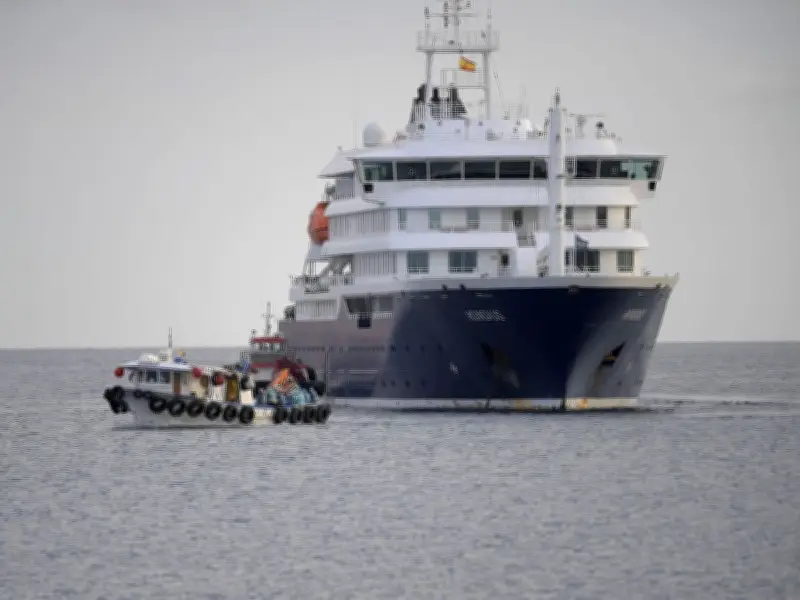
The World Health Organization has declared that the deadly hantavirus outbreak linked to the MV Hondius cruise ship no longer poses a public health risk, after three people died and 13 were infected. The WHO stated it does not expect further transmission of the virus.
The outbreak occurred in April during a voyage from Argentina to Cape Verde. No new cases have been reported since May 25, and the WHO considers the outbreak over. Director-General Dr Tedros Adhanom Ghebreyesus confirmed that the last contact of an exposed person had completed quarantine, tested negative, and returned home.
Details of the Outbreak
The outbreak involved the Andes virus, a rare strain of hantavirus. The MV Hondius departed Argentina on April 1. The first two cases were linked to a bird-watching trip through Argentina, Chile, and Uruguay, where rats carrying the virus were present. Health experts believe human-to-human transmission may have occurred among close contacts.

The WHO identified and monitored over 650 contacts across 33 countries and territories. Passengers who were not medically evacuated disembarked in Tenerife in May and were flown home. Irish woman Ann Lane was released from isolation after six weeks, just in time for her 80th birthday.
WHO Response and Advice
WHO medical officer Dr Diana Rojas Alverez stated, "What we need to continue doing is to keep monitoring this virus, keep preparing for further spread." The WHO will continue working with governments to understand the outbreak and hantavirus generally, advising countries to learn from the response.
Hantavirus typically spreads from rodents via inhalation of contaminated air. Symptoms include fever, fatigue, muscle aches, stomach pain, vomiting, diarrhea, and shortness of breath.