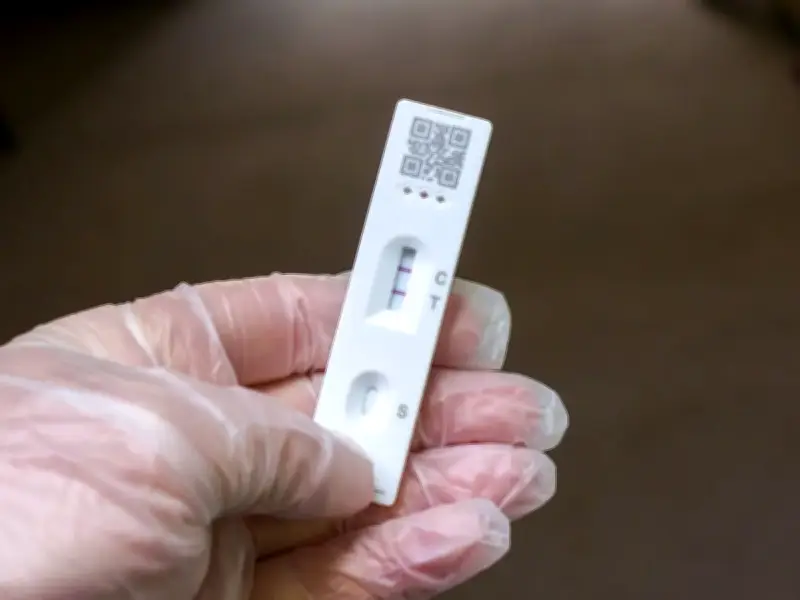
Covid activity and hospital admissions have increased in the UK, according to the latest figures from the UKHSA. The XFG (Stratus) subvariant, nicknamed 'American Covid' after spreading rapidly across the United States, was first diagnosed in January last year and continues to circulate, although at 'low levels'.
There were 4,939 Covid hospital admissions in England in September, compared to 950 in August. Covid deaths in England in the latest week stood at 28, up from 19 the week before. The latest UKHSA data found that XFG and its sub-lineages now account for almost half of sequenced samples.
UKHSA response and vaccine advice
Dr Alex Allen, Consultant Epidemiologist at UKHSA, said: "While Covid-19 activity has shown some recent increases, cases remain at low levels in the UK. It’s completely normal for viruses to change over time. The strains currently going around, including those known as XFG, are closely related to strains that have been with us for over a year, so this isn’t something new."
"We’re also not seeing any evidence that these are making people more ill or spreading faster than before, and this year’s autumn vaccine has been specifically designed to protect against them." He added: "If you are eligible for a Covid-19 vaccine it is because you are at greater risk of severe illness and being hospitalised. Don’t risk it, get the vaccine and give yourself the best protection."
12 symptoms to watch for
Boots Superintendent Pharmacist Claire Nevinson said there is little evidence to suggest that the new Covid variant causes different symptoms to the ones seen in the past. As with other variants, the symptoms are similar to those of a cold or flu.
Symptoms include having a high temperature or chills, a new, continuous cough or coughing, frequent loss of, or change to your sense of smell or taste, shortness of breath, feeling tired or having an exhausted and an aching body. Other symptoms include having a headache, sore throat, blocked or runny nose, loss of appetite, diarrhoea, and feeling or being sick.
Managing symptoms at home
Claire said: "Most people with Covid-19 will feel better within a few weeks and there are steps you can take to help ease symptoms, like drinking plenty of water and getting lots of rest. Pharmacy teams can also offer advice on managing cold and flu-like symptoms and may recommend over-the-counter remedies to help you feel more comfortable."
She added: "Common symptoms of both cold and flu include a sore throat, blocked or runny nose, sneezing and coughing. Cold symptoms tend to be milder and come on gradually. People usually start to feel better within a week or two. In contrast, flu symptoms tend to start more suddenly, be more severe and last longer. Common flu symptoms include a fever, aching muscles and chills. The main symptoms of Covid are a high temperature, a new, continuous cough and loss or change to your sense of taste or smell, but people can also get other symptoms which are very similar to colds and flu."
While there's no cure for a cold, Claire recommended resting, drinking plenty of fluids and eating a balanced diet, including plenty of fruit and vegetables, and taking paracetamol or ibuprofen to help relieve pain and fever. Using cough medicine, decongestant sprays or tablets and throat lozenges is also recommended.
"Not all over-the-counter medicines are suitable for everyone, so make sure you talk to your pharmacist or member of the pharmacy team about which treatments will be most suitable for you," she noted. She continued: "Most people with Covid-19 will feel better within a few weeks and the same medicines used to relieve the symptoms of a cold are also considered to help relieve the symptoms of Covid-19."
"If you think you may have Covid-19, have a high temperature and don’t feel well enough to do your normal activities, you should try to stay at home and avoid contact with other people. You can go back to normal activities when you feel better or do not have a high temperature."