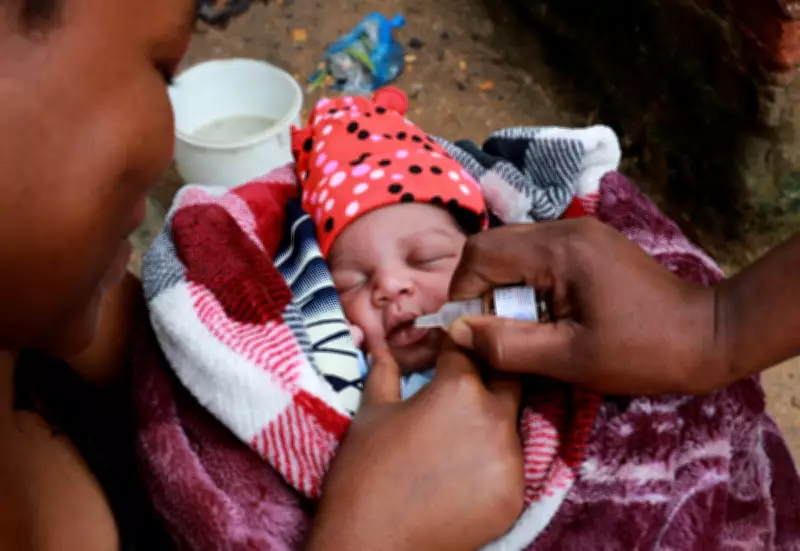
Malawi's Polio Eradication Efforts Confront New Challenges
In Malawi, the battle to eliminate polio is encountering significant obstacles, as social media misinformation, influencer-driven campaigns, and reductions in international aid converge to threaten public health initiatives. Health officials report that these factors are undermining vaccination drives and eroding public trust in essential medical interventions.
The Rise of Misinformation on Social Media
False claims about polio vaccines have proliferated on platforms like Facebook and WhatsApp, often spread by local influencers who question the safety and efficacy of immunisation programmes. This misinformation has led to vaccine hesitancy in some communities, complicating efforts to reach high vaccination coverage rates necessary to prevent outbreaks.
Impact of International Aid Cuts
Concurrently, Malawi is grappling with cuts in foreign aid from key donors, which have strained resources for polio eradication campaigns. These reductions limit the availability of vaccines, training for healthcare workers, and public awareness campaigns, making it harder to sustain momentum in the fight against the disease.

Health Officials' Response and Strategies
In response, health authorities in Malawi are implementing counter-strategies, including partnerships with trusted community leaders to debunk myths and enhance vaccine uptake. They are also advocating for renewed international support to bridge funding gaps and ensure that eradication efforts remain on track.
Key developments include:
- Increased monitoring of social media for false information about polio.
- Collaborations with influencers who promote accurate health messages.
- Efforts to secure alternative funding sources amid aid reductions.
The situation highlights the complex interplay between digital media, global health funding, and local public health challenges, with implications for polio eradication not only in Malawi but across the region.