
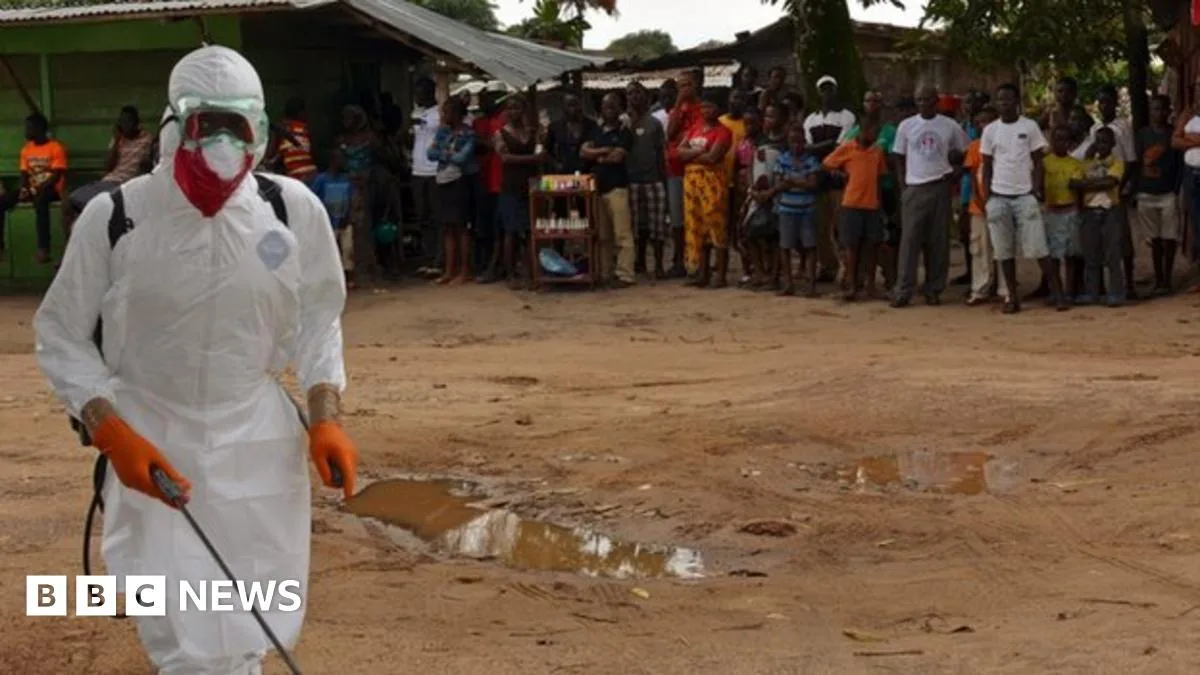
A leading infectious disease expert has warned that the Ebola virus could mutate into an airborne strain, a scenario he describes as a 'nightmare'. Michael T Osterholm, director of the Center for Infectious Disease Research and Policy at the University of Minnesota, says that while virologists are not discussing this publicly, they are 'definitely considering it in private'.
Writing in the New York Times, Osterholm notes that the virus, currently transmitted only through contact with bodily fluids, is 'notoriously sloppy in replicating', increasing the chance of it becoming more contagious. He argues that public officials are reluctant to discuss the risk for fear of being accused of alarmism, but insists the threat is real and that the world must prepare.
A second concern is the virus reaching densely populated areas. The World Health Organisation reports nearly 4,800 infections and around 2,400 deaths, predicting over 20,000 cases before the outbreak ends. Osterholm warns that an infected traveller could carry the virus to cities like Lagos or Jakarta, and that more infections create more opportunities for mutation.
Osterholm calls for the United Nations to oversee containment, managing air supply chains, providing hospital beds, and training staff. He dismisses waiting for a vaccine as unrealistic, suggesting the disease could reach 'our own backyards' before one is developed.
However, other experts dispute his claims. Scott Gottlieb, former deputy director of the US Food and Drug Administration, argues it is very unlikely that Ebola would become airborne, as no known serious human virus has changed its mode of infection. Tara C Smith, writing for ScienceBlogs, notes that similar diseases have been easily controlled in the US, and she is more concerned with influenza and measles. Osterholm has previously been labelled a 'doomsayer' for warnings about smallpox and swine flu.




