

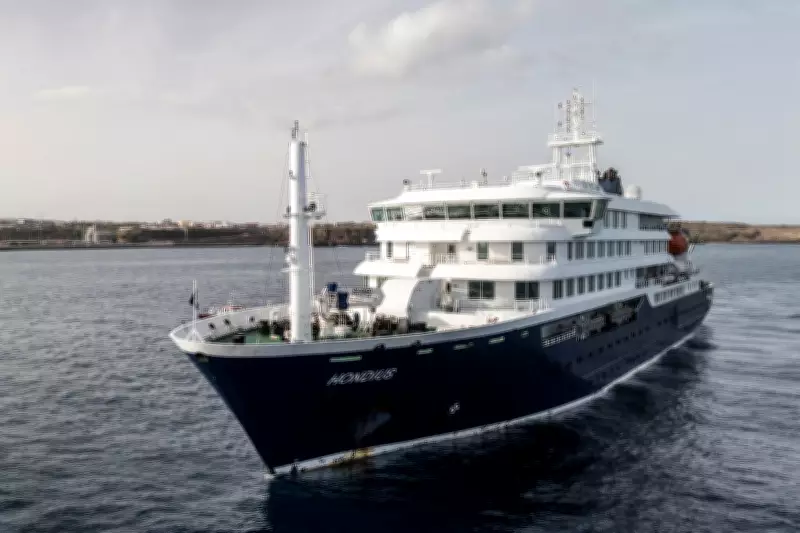
The recent suspected outbreak of hantavirus on a polar expedition vessel has put cruise line hygiene under scrutiny, but passengers can take comfort in the fact that such cases are exceptionally rare. At least three people have died aboard Oceanwide Expeditions' MV Hondius, which departed from Argentina on 1 April with 147 passengers on a remote voyage to Cape Verde. The World Health Organisation (WHO) has reported a total of seven hantavirus cases, including two confirmed and five suspected, linked to the ship.
Current Situation and Response
Three individuals are scheduled for medical evacuation in Cape Verde, while the vessel will continue to the Canary Islands, a journey expected to take three days. Oceanwide Expeditions has stated that there is no definitive disembarkation point for the remaining guests, with options including Las Palmas or Tenerife, where further medical screening could be conducted. The Expedition Cruise Network, an industry group, expressed solidarity with those affected and emphasised that member ships adhere to strict biosecurity measures.
Understanding Hantavirus Risk on Cruises
Despite the high-profile nature of this incident, hantavirus infections are extremely uncommon. There are no other known cases of hantavirus on cruise ships. The virus is primarily transmitted through contact with rodents or their excreta, particularly when particles become airborne. The WHO notes that human-to-human transmission is rare but possible. It remains unclear whether the outbreak originated onboard or during shore excursions, which included stops in Antarctica, South Georgia, Tristan da Cunha, and other remote islands.

Dr Maria Van Kerkhove, WHO director for epidemic and pandemic preparedness, suggested a mixed transmission hypothesis, noting that passengers visited islands with rodent populations and that close contact in cabins may have facilitated spread. The Cruise Lines International Association (CLIA) confirmed that the affected ship is not a member of their organisation, and emphasised that member lines follow comprehensive health protocols. Public health data indicates that illness rates on cruise ships are lower than in comparable land-based settings.
Norovirus: A More Common Concern
While hantavirus is rare, gastrointestinal illnesses like norovirus are more frequently reported. Norovirus causes acute gastroenteritis with symptoms such as vomiting and diarrhoea. In 2025, the US Centers for Disease Control and Prevention (CDC) recorded 23 norovirus outbreaks on cruise ships, though this only includes vessels visiting US ports. With approximately 30 million passengers annually worldwide, the risk of falling ill remains minimal. CDC data suggests that gastrointestinal issues occur at a rate of one in 5,500 passengers at sea, representing about one per cent of all cases.
Overall Illness Risk on Cruises
Cruise ships, like any confined space with large numbers of people, can facilitate the spread of illness. The COVID-19 pandemic highlighted this, with outbreaks on ships like the Diamond Princess. However, CDC data shows that healthcare facilities, restaurants, schools, and daycares are more common settings for gastrointestinal illnesses. Nicky Kelvin, editor at large of The Points Guy, noted that stringent cleanliness standards and rigorous inspections since 1970 keep hygiene-related sickness rates low. He added that mandatory reporting of norovirus on cruises creates a perception of higher risk compared to settings like schools, where reporting is not required.
Cruise Ship Hygiene Standards
Cruise lines operate under the WHO's International Health Regulations and the CDC's Vessel Sanitisation Program (VSP). Passengers must complete health questionnaires before boarding, and ships provide health declarations to port authorities. Each vessel undergoes multiple announced and unannounced inspections annually, requiring a score of at least 86 out of 100 to pass. Crew members routinely sanitise high-touch surfaces, and hand sanitisers are widely available. CLIA members must have at least one qualified medical professional on board at all times.
Andy Harmer, CLIA managing director, stated that the industry prioritises health and safety, with protocols making cruising one of the safest travel forms. Cleaning practices often exceed those in other settings, and passenger screenings are extensive.

Outbreak Management at Sea
When contagious illnesses like norovirus are detected, affected passengers are typically quarantined in their cabins. Jenni Fielding, author of the Cruise Mummy blog, shared her experiences from about 10 per cent of her cruises. During outbreaks, self-service buffets are replaced with crew-served meals, salt and pepper shakers are swapped for individual sachets, and crew members rigorously disinfect surfaces. Sick passengers must remain in their cabins until symptom-free for 24 hours, with complimentary room service provided.
To reduce illness risk, Fielding advises avoiding handrails when possible and using knuckles to press elevator buttons. She noted that newer cruise ships incorporate enhanced hygiene measures, such as handwashing sinks at restaurant entrances and automatic hand-washing machines. Many lines are moving away from self-service buffets entirely. She concluded that while COVID-19 created dramatic headlines, cruise ships are not inherently riskier than hotels or restaurants, and the industry's standard practices ensure a high level of cleanliness.





