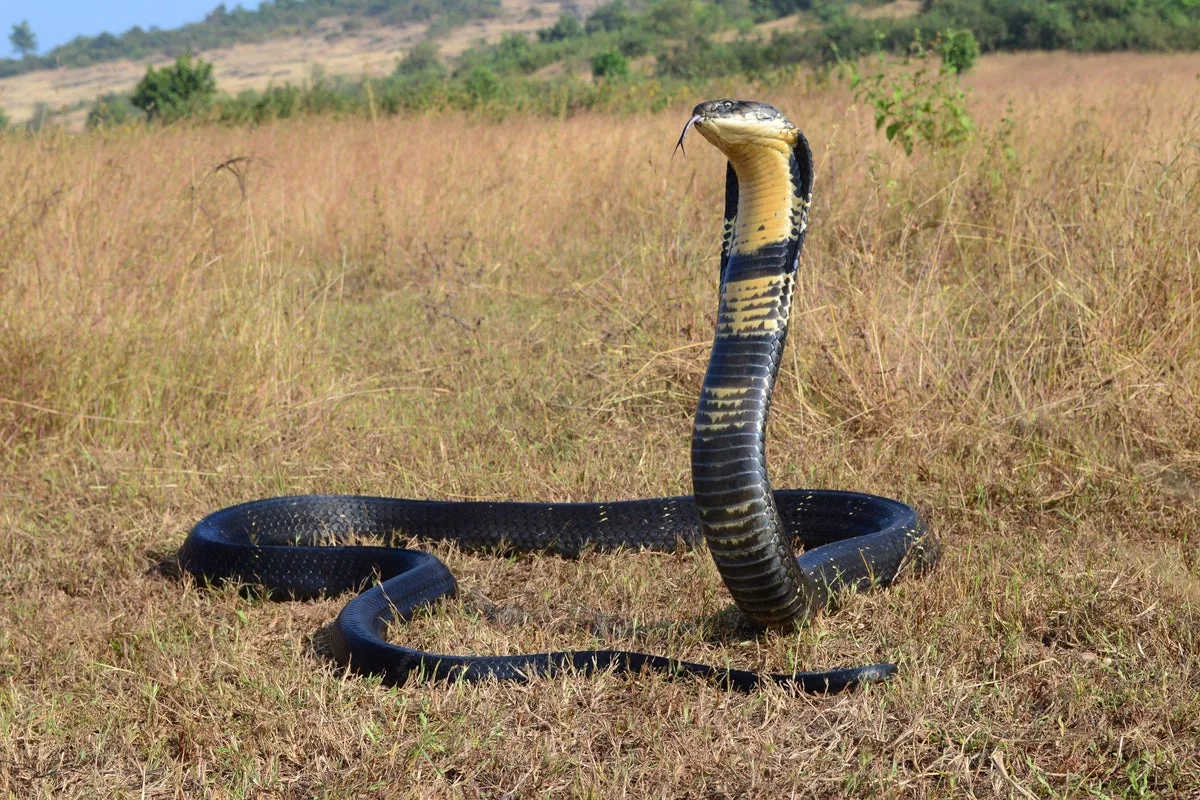
A new global study warns that climate change will push venomous snakes from arid interiors towards densely populated coastlines, increasing the risk of deadly encounters for millions of people. The research, published in the journal PLOS Neglected Tropical Diseases, models the habitats of all 508 medically important venomous snake species and projects how their ranges will shift by 2050 and 2090.
In Australia, the shift is expected to be especially pronounced along the east coast, where snakes will move from the arid centre into more heavily populated southern areas. Globally, the highest overlaps between snake and human populations currently exist in Sub-Saharan Africa, South Asia and Southeast Asia, regions that already bear the greatest burden from snakebite. These overlaps are projected to increase significantly across the Indian subcontinent, eastern North America and parts of China as the world warms.
The four snake species with the highest predicted increases in exposure to humans by 2090 are the black-necked spitting cobra, the many-banded krait, the cottonmouth, and the copperhead. Snakebites kill about 138,000 people and cause 400,000 disabilities each year, mainly in poor rural communities. The World Health Organization aims to reduce that burden by 50 per cent by 2030.
The study is the first to model all medically important venomous snakes at a resolution of around one kilometre, drawing on public and private databases, citizen science platforms, museum records, scientific literature and expert observations. The researchers say their predictions can help guide where antivenoms are stockpiled, how health facilities are resourced and where conservation efforts should focus.
Not all snake species will expand their ranges. Many species in the Congo and Amazon basins and Southeast Asia, particularly those with already small ranges, are predicted to see net decreases, raising conservation concerns. The wide-ranging puff adder, which currently causes a substantial number of bites across Africa, is also predicted to lose much of its current range.
The findings come as the UN warns that the global climate system is in a state of emergency. The World Meteorological Organization’s State of the Global Climate 2025 report found that the 11 years from 2015 to 2025 were the hottest on record, with 2025 about 1.43C above pre-industrial levels. The snake study uses a worst-case emissions scenario for its projections, reasoning that planning for the worst case is prudent.