
Thyroid cancer rates have surged worldwide, with cases in the US more than tripling between 1980 and 2016. However, experts now believe the increase is largely due to overdiagnosis rather than a true epidemic of disease.
According to the Surveillance, Epidemiology, and End Results (Seer) database, incidence rose from 2.39 to 7.54 per 100,000 in men and 6.15 to 21.28 per 100,000 in women. Despite this, death rates have remained stable, suggesting many detected cancers would never have caused harm.
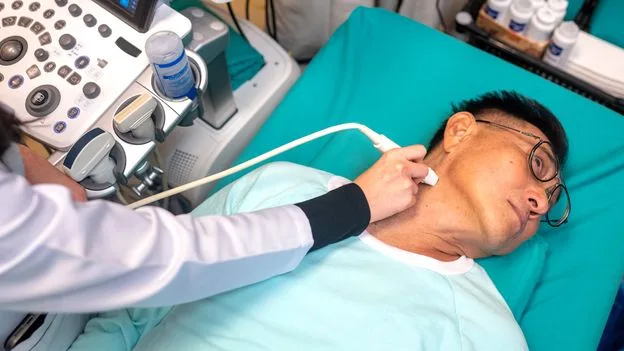
The rise coincided with the introduction of thyroid ultrasonography in the 1980s and fine needle aspiration biopsies in the 1990s, which allowed doctors to detect small papillary thyroid cancers that were previously undetectable. These cancers are typically slow-growing and have a good prognosis.
Overdiagnosis led to unnecessary treatments, including total thyroid removal and radioactive iodine therapy, which can cause side effects such as vocal cord paralysis and increased risk of secondary cancers. Clinical guidelines have since been revised to recommend partial removal or active surveillance for low-risk cases.
In South Korea, a national screening programme initially caused a spike in cases, which fell after the programme was scaled back. In the US, rates have stabilised since 2010, with 13.9 new cases per 100,000 in 2022.




