Adding radiotherapy to standard treatment for people with an advanced form of lung cancer helped keep the disease under control for longer, a trial has found. The addition could give patients precious time with their loved ones, experts said.
Trial Details and Results
Oligometastatic non-small cell lung cancer (NSCLC) means the disease has started to spread elsewhere in the body, usually to a limited number of places. The trial, known as Saron, included 140 patients with between one and five tumours in three or fewer organs.
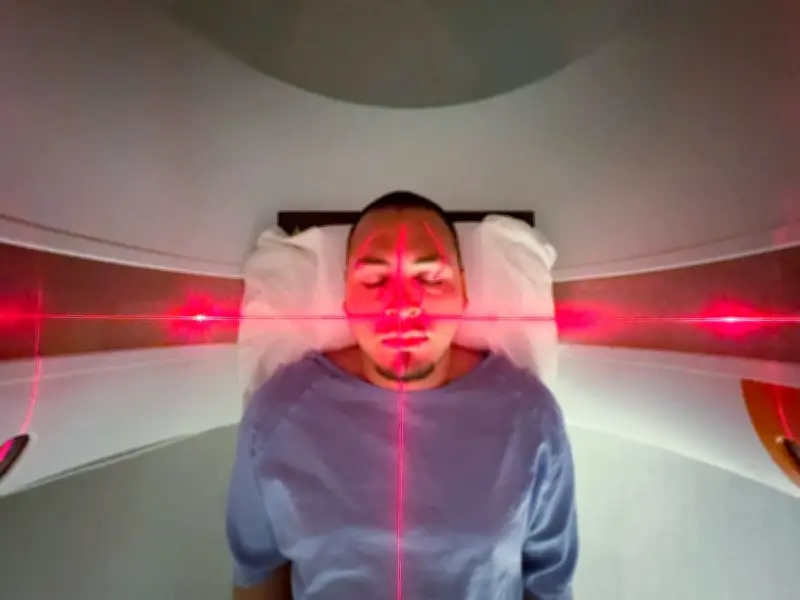
They were split into groups, with one having standard treatment and the other having high-dose radiotherapy to all known sites of disease alongside standard treatment. After a follow-up period, researchers found cancer did not progress for an average of 13.9 months in patients who received the radiotherapy, an increase of 56% when compared to the average of 8.9 months in the other group.
In the radiotherapy group, tumours continued to grow in 13% of patients compared to 39.5% on standard care alone. The findings have been presented at the European Society for Medical Oncology Congress 2026 in Madrid by chief investigator Dr Fiona McDonald, a consultant thoracic clinical oncologist at The Royal Marsden NHS Foundation Trust and leader of the thoracic radiotherapy group at the Institute of Cancer Research, London.
Expert and Patient Perspectives
She said: “Until now, there has been limited randomised evidence about the benefits of adding radiotherapy to the standard of care systemic treatment for patients with oligometastatic NSCLC. The Saron trial has provided important data in this context, demonstrating a significant improvement in progression-free survival without compromising quality of life. It is an exemplar of national collaboration and these types of studies are crucial for informing personalised treatment approaches for patients.”
One patient who took part in the trial is Julie Moran, 69, from Buckinghamshire. The former senior cardiac technician caught Covid-19 in March 2020 and had a CT scan six months later after suffering long Covid symptoms. She was eventually diagnosed with oligometastatic lung cancer and referred to The Royal Marsden.
Ms Moran said: “In a way, Covid saved my life. Without it, my symptoms might have gone under the radar. It’s strange to be diagnosed with lung cancer after working in heart and lung care for so long, because you can really see it from the patient’s perspective.
“After joining the trial, I received immunotherapy followed by radiotherapy. The treatment worked remarkably well and, six years later, I’m still stable. I was able to return to work and, now I’m retired, I get to spend lots more time with my grandchildren and great-grandchild.”
Impact and Significance
Dr Dani Skirrow, science engagement manager at Cancer Research UK, which funded the study, said: “An advanced lung cancer diagnosis can turn someone’s world upside down, making even everyday plans feel uncertain. Being able to keep the disease stable matters enormously, helping people to live a better quality of life.
“Thanks to Saron, we now know that adding targeted radiotherapy to standard treatment helps to keep the cancer under control for longer, giving people precious time to carry on doing the things that matter to them with their loved ones.
“It’s vital that we support research like this that helps people with cancer to live better lives for longer.”