
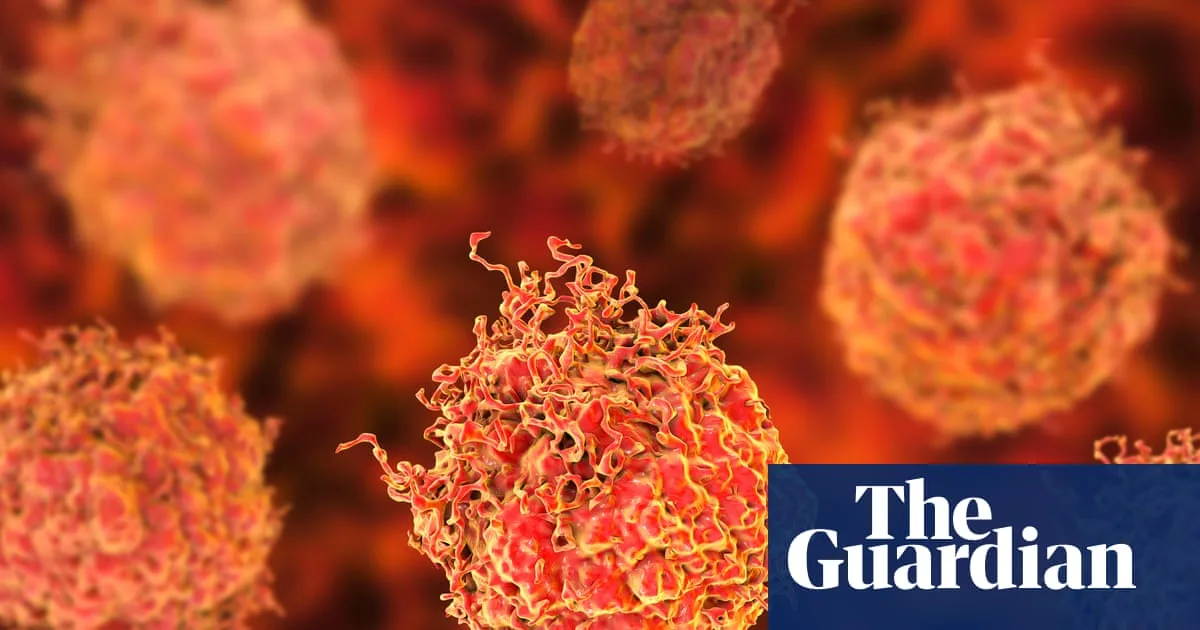
Early trials of a new immunotherapy drug, VIR-5500, have shown promising results in men with advanced prostate cancer, shrinking tumours in some patients. The drug, known as a T-cell engager, is designed to bring the body's killer T-cells into contact with tumour cells, allowing the immune system to attack the cancer.
Professor Johann de Bono of the Institute of Cancer Research and the Royal Marsden NHS Foundation Trust, who led the study, described the results as unprecedented for a disease previously thought to be resistant to immunotherapy. The drug is engineered to activate only within the tumour, minimising side effects – a key advantage as other T-cell engagers have triggered severe inflammatory responses in prostate cancer patients.
In the phase one trial, 58 men who had stopped responding to other treatments were given VIR-5500. Among the 17 receiving the highest dose, 14 (82%) saw their PSA level fall by at least half, nine (53%) by at least 90%, and five (29%) by at least 99%. Of 11 men with measurable tumours, five showed shrinkage; one 63-year-old man whose cancer had spread to his liver had 14 cancerous lesions completely resolved after six cycles of treatment.
Professor de Bono said further clinical trials are being planned, adding: 'We do need more data but the results are stunning.' Charlotte Bevan, professor of cancer biology at Imperial College London, said the advance was potentially very exciting but stressed the importance of studying patients from different ethnicities due to disparities in outcomes.
Simon Grieveson, assistant director of research at Prostate Cancer UK, called the early-phase trial exciting, noting that over 12,000 men die from prostate cancer each year in the UK. 'These early results are extremely promising,' he said. 'I look forward to seeing this now tested in larger trials, with the hope that this treatment will offer men more valuable time with their loved ones.'




