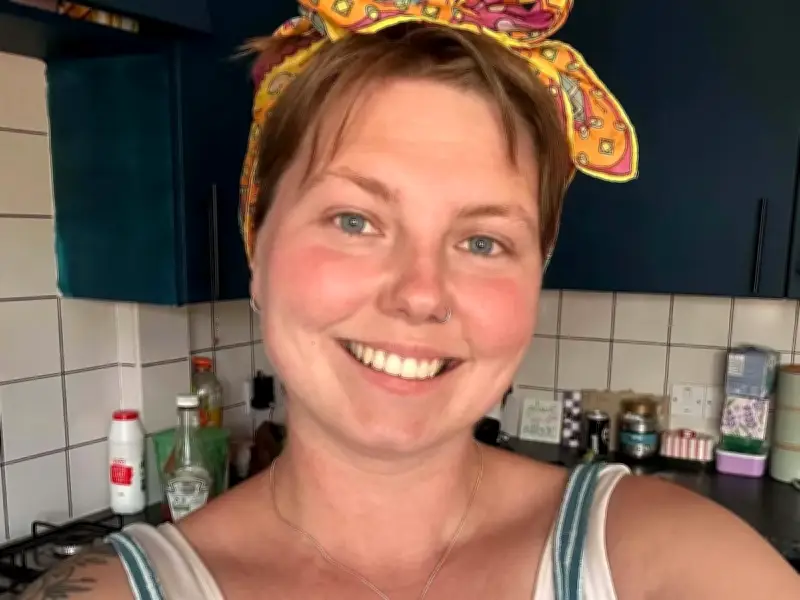
A mother who was diagnosed with bowel cancer at age 26 after doctors initially attributed her symptoms to piles has warned that young people must not be dismissed, as new figures reveal a rise in several cancers among under-50s. Bronwyn Tagg, now 27, from Cambridge, began experiencing bleeding when going to the toilet after giving birth to her son Austin, now two, and reported it to her GP.
She was told it was "most probably piles" after having a vaginal birth. But Bronwyn was eventually diagnosed with stage three rectal cancer after an MRI revealed a 40mm lesion.
New analysis shows rising cancer rates in younger adults
New analysis by the World Cancer Research Fund shows significant increases in several cancers among under-50s in England, including bowel cancer. Bronwyn says her experience highlights the dangers of assuming young people are too young to have certain cancers.
"Seeing the new analysis feels scary but I’m glad it’s becoming more widely recognised," Bronwyn, a dental nurse, told NeedtoKnow. "For too long, young people with symptoms have been told they’re too young for bowel cancer. The more evidence there is that rates are rising in younger adults, the harder it becomes to dismiss people simply because of their age."
The analysis found that rates of bowel, kidney and uterine cancers among younger people in England more than doubled between 2001 and 2023.
Delayed diagnosis and treatment
Bronwyn believes her age may have played a role in her symptoms initially being attributed to piles. "I was repeatedly reassured that my symptoms were likely caused by piles, and I think my age made that explanation easier to accept," she said. "Bowel cancer wasn’t considered because I was in my twenties."
In February 2025, she was referred to gynaecology after an ultrasound showed a cyst on her left ovary. An MRI eventually revealed the lesion in her rectum. She underwent a colonoscopy in May 2025, during which doctors removed the entire polyp. Two weeks later, doctors told her the polyp was cancerous.
She subsequently underwent surgery to remove part of her rectum and had a stoma fitted. Three of the 12 lymph nodes removed during the operation tested positive, meaning her cancer was classified as stage three. She then underwent chemotherapy while caring for her two young children.
Warning to others and life after treatment
Bronwyn says the experience has left her determined to warn other young people not to dismiss symptoms simply because of their age. "I thought I was too young for cancer," she explained. "I was 26, fit, busy raising two young children, and cancer wasn’t even a possibility in my mind."
Bronwyn has now completed chemotherapy and is in remission. She said: "I’m incredibly grateful to have finished treatment and to be in remission. I don’t think I’ll ever be able to put into words how lucky I feel to be able to say that."
Bronwyn believes her story demonstrates why bowel cancer shouldn’t be viewed solely as an older person's disease. "My story is proof that cancer doesn’t always fit the stereotype," she said. "If we continue treating bowel cancer as an older person’s disease, younger people will continue to face delays in diagnosis."