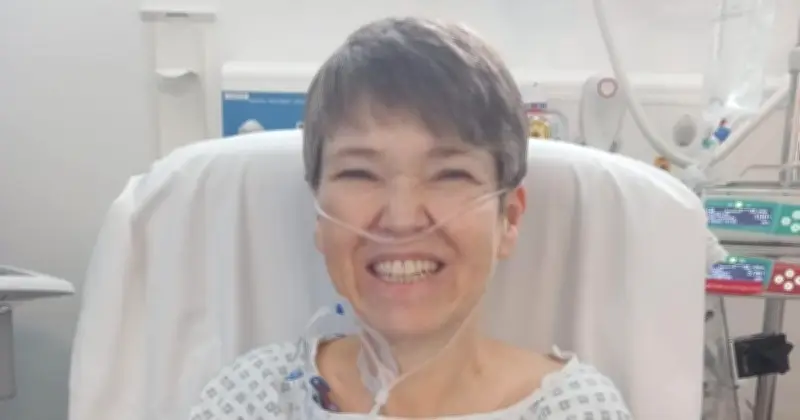
Rachel Wood, a 55-year-old mother from Shrewsbury, is raising awareness of neuroendocrine cancer after doctors took 18 months to diagnose her incurable disease. During that time, one medic told her that if her tumour were cancer, she would already be dead.
Ms Wood first learned something was wrong during an ultrasound scan for an unrelated health condition, when the sonographer found what he described as a "birthmark" on her liver. She was then referred for further tests, including two MRI scans, two PET scans, and blood tests. Because her cancer is a rare form of the disease, it does not behave like other cancers, so doctors did not diagnose it as such.
Delayed Diagnosis Despite Multiple Tests
The biopsy was eventually carried out 18 months after the initial ultrasound, but even then the medics did not recognise that she had neuroendocrine cancer. Ms Wood said: "The guy who did the biopsy had never heard of it. And he didn't think it was cancer. I asked him 'Do you think this could be cancer?' And he said, 'No, it's so big, if it was cancer, you'd be dead by now.'"
By that point, the cancer had spread from her lower intestine to her liver and her bones, and it is now said to be incurable. Ms Wood said: "That was the end of their knowledge. I think the most stressful part was that the local hospital just knew nothing about it.
"I had naively assumed that if you're diagnosed with cancer, then there's going to be a swift and obvious path to getting your treatment, but it was so clear that they did not know what that path was. I think that's when the stress came, because you feel so vulnerable, you've had this devastating news, and a system that you feel should be there, kind of looking after you.
"So clearly, not to blame any of them, it was sheer ignorance that they just did not know what to do, because there was no guidance for them."
What Is Neuroendocrine Cancer?
Neuroendocrine cancer begins in the neuroendocrine cells, which are found throughout the body and can release hormones that regulate many body functions. When these cells become cancerous, they can grow in almost any organ. The disease can start anywhere in the body, and symptoms vary greatly between people, which makes it hard to detect. Most neuroendocrine cancers tend to be slow-growing, but some forms can be aggressive and grow rapidly.
The most common neuroendocrine cancers tend to originate from the gastrointestinal tract, pancreas or lung. Most occur sporadically, meaning there is no known genetic link to how or why they have developed, although a number of rare inherited genetic conditions may increase a person's risk.
Campaign for Better Awareness
Ms Wood, a former history teacher who retired due to ill health, began researching specialist centres and ensured that all her care was moved to Queen Elizabeth Hospital in Birmingham. She is now working with the charity Neuroendocrine Cancer UK to raise awareness of the rare cancer and make sure more medics know what to look out for.
She added: "Neuroendocrine cancer needs to come into the education of clinicians so that they can simply ask the question, could it be neuroendocrine cancer? And then they should be able to go on to find exactly what they should do if they suspect it is, there should be a clear pathway then to diagnosis and treatments."
Neuroendocrine Cancer UK has published a report this week highlighting how long people with the disease have to wait before they are diagnosed. The charity's chief executive Lisa Walker said: "People with neuroendocrine cancer are waiting, on average, almost five years for the correct diagnosis. That is far too long. Patients should not have to wait years for their cancer to be recognised, navigate disconnected services or repeatedly explain their history to different professionals.
"Our Seen Too Late report highlights the need to make neuroendocrine cancer more visible. That means recognising it sooner, ensuring timely access to specialist expertise and making sure care is joined up around the person, wherever they are in the system."
A spokesperson for the Department of Health and Social Care said: "Neuroendocrine cancers have historically relied on multiple tests to identify the source of the disease, and that is one of the reasons why we have expanded our network of community diagnostic centres and rolled out special diagnosis pathways across England for patients with non-specific symptoms, to ensure we can accurately identify neuroendocrine and other cancers as early as possible.
"Through our National Cancer Plan, we will help every cancer patient get diagnosed earlier, start treatment faster and receive better support throughout their journey. That includes improving outcomes for people with rare cancers, with a dedicated chapter in the plan for rarer forms of the disease like neuroendocrine cancer."