
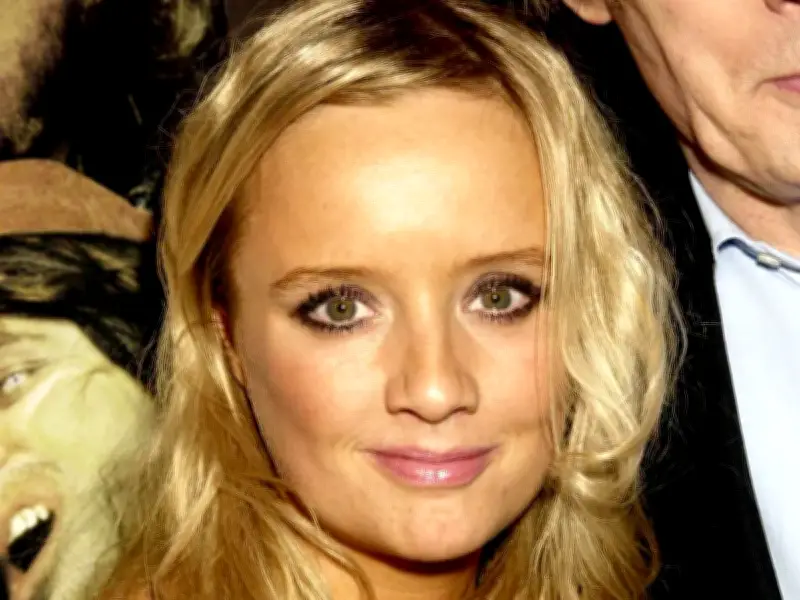
An oncologist has highlighted several warning signs and symptoms of breast cancer that 'aren't a lump'. The Office star Lucy Davis has disclosed that she's been diagnosed with "incurable" stage four breast cancer.
The 53-year-old, daughter of comedian Jasper Carrott, is most recognised for playing Dawn Tinsley in the BBC sitcom. In a statement released on Tuesday, she disclosed that she received her diagnosis 18 months ago, with the cancer having "metastasised" to her bones, including her spine, right hip and ribs, and that it is "too late" for chemotherapy. She said: "As of now, I'm trying to live out whatever might be left of my life in as fun a way as I possibly can."
Global and UK statistics
Research published in The Lancet Oncology indicates that global breast cancer diagnoses are expected to surpass 3.5 million by 2050. In the UK alone, a woman is diagnosed with breast cancer every ten minutes, according to research and support charity Breast Cancer Now.
Early detection remains the single most crucial factor in successful treatment. While examining for lumps or swelling in the breast is widely acknowledged as a key indicator of breast cancer, there are less well-known warning signs that people should be aware of, according to Dr Jiri Kubes, Radiation Oncologist and Medical Director at the Proton Therapy Center, reports Glasgow Live.
Lesser-known symptoms
He said: "While most women know to check the breast for lumps or swelling, some abnormalities are not noticeable by sight. This means those who do not regularly check their breasts might not notice anything unusual. It's important to be aware of other symptoms that could indicate breast cancer so you're able to speak to a medical provider early."
With over half of UK women not examining their breasts regularly, according to Breast Cancer Now, visible changes are often the first indicators spotted. Dr Kubes said: "A change in colour or the appearance of a rash or crusting around the nipple are both considered symptoms of breast cancer. Colour change may make the breast seem darker, red or inflamed, which may be harder to spot on darker skin, while a rash may look similar to eczema. The shape and size of your breast or nipple changing can be another indicator of breast cancer. For example, if your nipple becomes inverted, which means it looks as though it's turning inward, or if the size or shape of one or both breasts changes, it's best to see a GP to discuss this."
Next steps and treatment
During a GP consultation, they may arrange a follow-up appointment or refer you to a breast clinic for further assessment. For those diagnosed with breast cancer, several treatment options are available, including radiotherapy, chemotherapy, surgery, and hormone therapy.
Dr Kubes added: "For breast cancer, the importance lies in regularly checking your breasts so if treatment is needed it can begin as soon as possible, as well as working with doctors and medical professionals to select the right treatment plan for you."




