Many home cooks have faced the disappointment of perfectly boiled potatoes turning an unappetising black. According to chef Poppy O'Toole, author of The Potato Book, this is a harmless chemical reaction but one that can be avoided with a few simple tricks.
The darkening occurs when iron ions, chlorogenic acid, and oxygen combine to form a pigmented complex, explains food science expert Harold McGee. To prevent this, McGee recommends making the cooking water acidic by adding cream of tartar or lemon juice after the potatoes are half-cooked.
Cookware can also be a culprit. Tom Hunt, writing for the Guardian, advises against using reactive metals like carbon steel or aluminium, suggesting stainless steel instead. He also warns against leaving cooked potatoes in water, as they absorb it and become soggy. Instead, drain them and spread on a rack to steam dry under a tea towel.
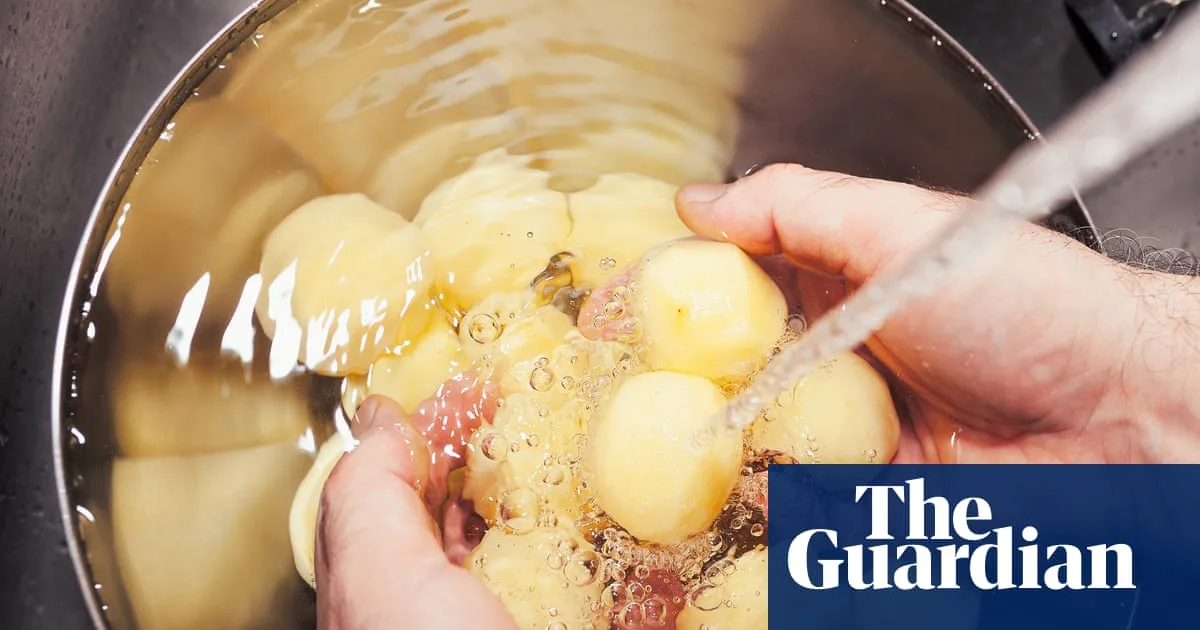
For pre-cooking discoloration, oxygen is the enemy. Hunt recommends keeping peeled potatoes in cold water with a drop of vinegar or half a lemon to lower the pH. Chef Jess Murphy of Kai Galway suggests adding seaweed to the boiling water to replace lost minerals and enhance flavour.
If you have leftovers, Murphy recommends turning them into crisp potato cakes, served with smoked trout or a poached egg. For a make-ahead option, O'Toole suggests parboiling, steaming dry, coating in fat, and freezing for ready-to-roast potatoes.