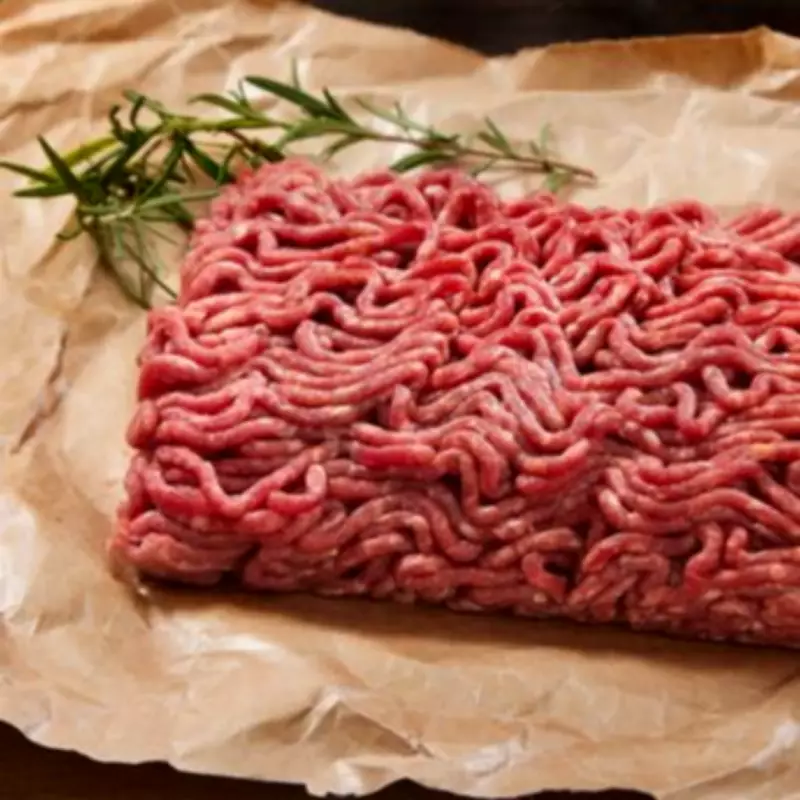
Chinese Restaurant Velveting Technique Transforms Beef Mince
Beef mince stands as one of the most versatile ingredients available at any grocery store, perfectly suited for a wide array of evening meals ranging from chilli and tacos to spaghetti bolognese and homemade burgers. However, a common culinary challenge arises as beef mince can often turn chewy and dry during the cooking process, stripping it of its natural juices and resulting in a less than ideal texture.
The Science Behind Tough Beef Mince
Many home cooks remain unaware that beef can be surprisingly tricky to cook correctly. When heated, the proteins within the meat contract forcefully, expelling moisture and frequently leading to overcooked, tough, and dry beef. This undesirable outcome can detract from the flavour and enjoyment of many beloved dishes.
A Revolutionary Cooking Method Revealed
Nagi Maehashi, a renowned cookbook author and the founder of Recipe Tin Eats, has disclosed a straightforward and highly effective Chinese restaurant technique known as 'velveting beef.' This method guarantees that beef mince remains exceptionally juicy and tender every single time, requiring only a simple pinch of bicarbonate of soda, commonly known as baking soda.

Nagi explained, "This is how to tenderise beef with a Chinese restaurant method called 'velveting beef.' Also used for chicken, it's a simple, highly effective technique using baking soda that transforms economical beef so it's incredibly tender in stir fries and stir fried noodles." She emphasised that this approach represents a genuine game changer for home cooking, requiring no deep frying or special equipment, making it accessible for any cook on any night of the week.
How Baking Soda Enhances Beef Mince
Bicarbonate of soda functions as a mildly alkaline substance. When combined with beef, it elevates the pH level of the meat's proteins, which in turn prevents them from contracting as aggressively during the cooking process. This crucial adjustment helps retain the meat's natural succulence, yielding wonderfully tender and flavoursome results.
Furthermore, a higher pH level accelerates the Maillard browning reaction on the meat's surface due to reduced acidity, promoting a desirable golden brown and slightly crispy exterior on the beef mince. Incorporating baking soda presents an incredibly simple yet powerful way to enhance both the flavour and texture of beef mince, eliminating the need to purchase expensive cuts of meat.
Step-by-Step Guide to Velveting Beef Mince
You will need:
- A pack of mince or stewing beef
- One or half a teaspoon of baking soda
Method:
- Begin by placing your beef in a bowl and scattering a small amount of baking soda evenly over it. Use your fingers to distribute the baking soda thoroughly across the meat. You may also incorporate any additional marinades, herbs, or seasonings at this stage, as they will not interfere with the baking soda's tenderising effect.
- Utilise approximately half a teaspoon to one teaspoon of baking soda per 500 grams of meat. Exercise caution to avoid excessive amounts, as an overabundance of baking soda can impart a metallic aftertaste.
- Transfer the beef mince to the refrigerator and allow it to rest for 30 to 40 minutes. This resting period is essential, providing sufficient time for the baking soda to permeate the mince and maximise its effectiveness.
- After the allotted time, rinse the beef under cold running water to remove any excess baking soda if visible residue remains on the meat's surface. Pat the beef dry thoroughly using kitchen paper.
- Finally, cook the beef mince according to your preferred recipe. You will discover that the meat is considerably more tender, succulent, and packed with enhanced flavour compared to traditional cooking methods.
This Chinese restaurant velveting technique offers a practical and economical solution for elevating everyday beef mince dishes, ensuring consistently delicious and tender results that rival professional culinary standards.