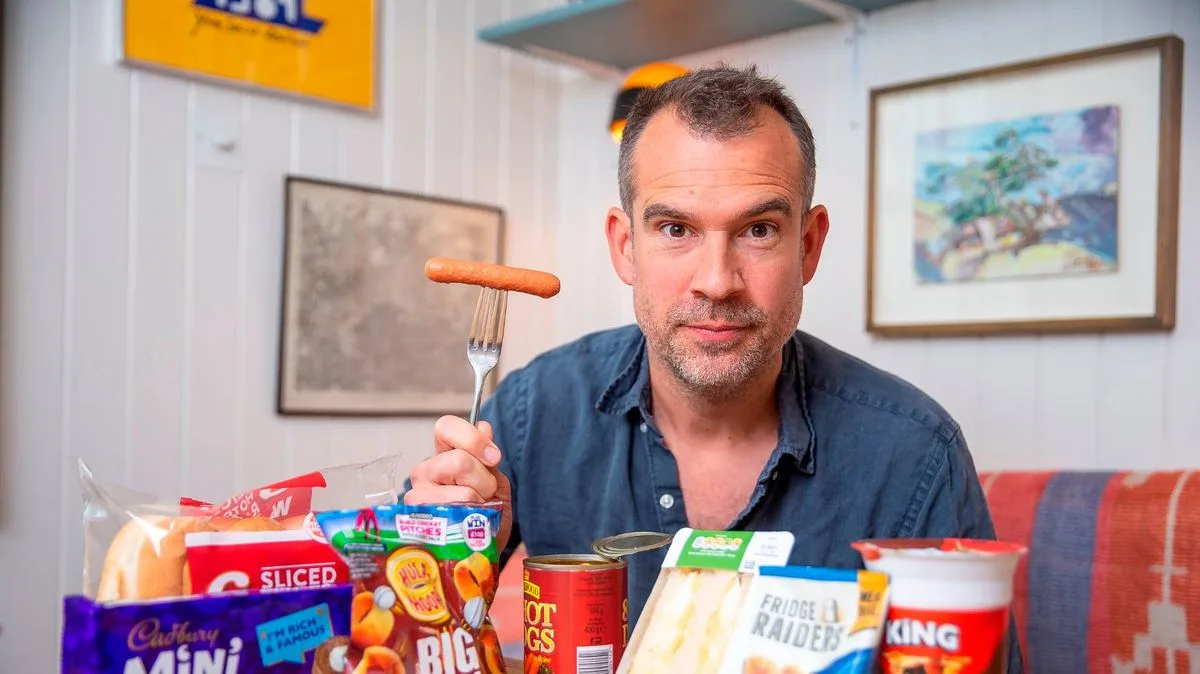
Ultra-Processed Foods Surpass Smoking as Leading Cause of Early Death
Dr Chris van Tulleken, a BBC science presenter and author of Ultra-Processed People, has issued a stark warning that diets high in ultra-processed foods are now more deadly than smoking. Speaking on the popular Diary of a CEO podcast with host Steven Bartlett, the doctor shared alarming findings that implicate these widely consumed foods in a global health crisis.
A Global Pandemic of Poor Diet
Dr van Tulleken, who specialises in infectious diseases and appears on BBC programmes alongside his twin brother Dr Xand van Tulleken, explained that for years, confusion has reigned over what constitutes a healthy diet. He stated, "We've called the foods that harm us junk food and processed food - high fat, salt and sugar food. We've not had a way of labeling food even as a pandemic of disease taken over the world."
This issue is not confined to low-income nations but is acutely felt in Britain as well. The doctor emphasised, "This is particularly true in low income countries and particularly true with low income people living in the UK." He revealed that poor diets, dominated by ultra-processed foods (UPFs), have overtaken tobacco as the leading cause of early death globally for humans, farmed animals, and wildlife.
Environmental and Health Impacts
The production of ultra-processed foods is linked to severe environmental damage. Dr van Tulleken noted, "This is because ultra-processed food is produced by a food system that is the leading cause of loss of biodiversity and the second-leading cause of carbon emissions and the leading cause of plastic pollution."
The definition of UPFs was developed around 12 years ago by a Brazilian team to describe Western industrial diets. Research from Central and South America has been pivotal, as countries like Mexico, Colombia, and Brazil saw obesity transform from being virtually unheard of to a dominant public health issue within a decade. Dr van Tulleken recounted, "At one point nobody you knew was obese, yet just 10 years later, everyone would know someone who had an amputation for type two diabetes."
Addictive Nature and Health Risks
Ultra-processed foods are just as addictive as tobacco, alcohol, gambling, and drugs for some individuals, a claim backed by solid evidence. Dr van Tulleken cautioned against "nagging" people to quit eating junk food, as it can be counterproductive and push them toward harmful behaviours.
Studies support these concerns. One concluded, "High UPF consumption is associated with an increased risk of a variety of chronic diseases and mental health disorders. At present, not a single study reported an association between UPF intake and a beneficial health outcome. These findings suggest that dietary patterns with low consumption of UPFs may render broad public health benefits." Another study found that higher UPF consumption increases all-cause and cardiovascular disease mortality risk, mediated by multiple metabolic pathways.
Personal Testimonies and Lifestyle Changes
Following Dr van Tulleken's podcast appearance, a YouTube viewer shared a transformative experience. They commented, "I cannot overstate how much Chris has changed my life in the space of just 5 months." After cutting out ultra-processed foods almost entirely since June 2023, they switched to snacks like apples, grapes, and nuts, and home-cooked meals including meat, cheese, and starchy foods without reducing portion sizes.
Combined with a daily one-hour walk on weekdays and no other exercise, this individual lost over 12 kilograms, dropping from 112kg to 99.9kg. This testimony underscores the potential benefits of reducing UPF intake, even without drastic lifestyle overhauls.
Dr van Tulleken's warnings highlight an urgent need for greater awareness and action regarding ultra-processed foods, as they pose a significant threat to public health and the environment.