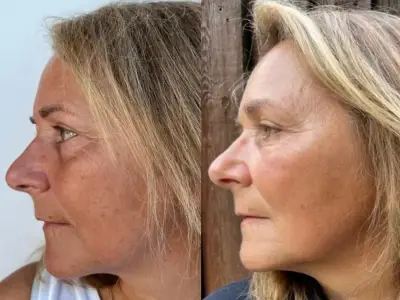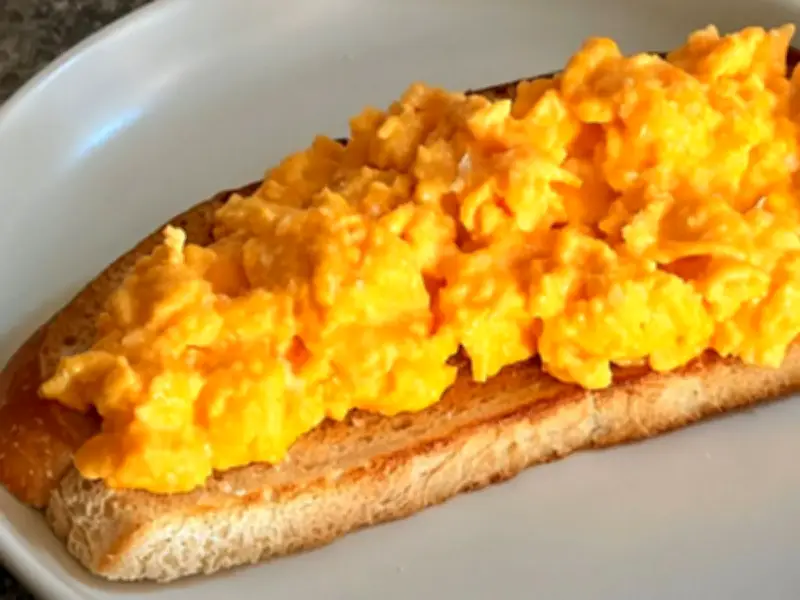
Adding a heaped teaspoon of mascarpone to scrambled eggs makes them tastier and creamier, according to a lifestyle reporter who tested the ingredient.
Angela Patrone, Senior Lifestyle Reporter, said she had disliked scrambled eggs for years because they were rubbery, unpleasant, and squeaked when chewed. She later learned to make soft, creamy versions and now regularly craves them.
Patrone described the perfect scrambled eggs as soft, creamy, and virtually melting on the tongue, with a loose, slightly wet consistency. She has used Greek yoghurt and crème fraîche before, but found mascarpone genuinely enhances the taste.

Why mascarpone works
Mascarpone differs from standard creamy additions because it is rich, buttery, and smooth, without the sharpness of cream cheese or the grainy quality of ricotta. As the eggs cook, it melts seamlessly into them, producing soft curds that taste as though they come from an upmarket café.
Patrone incorporates the mascarpone towards the end of cooking, just before the final minute, which also prevents the eggs from drying out. She used three eggs and kept the pan at a medium-low heat throughout.
Common mistake to avoid
The most frequent error people commit when preparing creamy scrambled eggs is cooking them too rapidly over excessive heat, Patrone said. This approach produces tight curds that release their liquid and turn watery on the plate.
A gentle, gradual method is key to achieving creamy scrambled eggs. Patrone typically uses two to three eggs, though on this occasion she went for three.
How to make the eggs
For the recipe, she used three eggs, one heaped teaspoon of mascarpone, dried chives to garnish, and salt to taste.
She begins by cracking eggs into a large bowl and whisking them briskly to incorporate as much air as possible. The whisked eggs are then transferred to a saucepan over medium-low heat and left undisturbed for roughly 30 seconds.
She draws a spatula along the base and edges of the pan, scraping the cooking eggs to one side and permitting uncooked egg to settle against the bottom. She alternates between removing and returning the pan to the heat to ensure the eggs don't adhere.
The eggs remain on the hob until they reach approximately 90% completion and still have a moist sheen. This typically requires around five minutes, though timing varies depending on the cooker.
A minute before the eggs finish, she adds the heaped teaspoon of mascarpone atop the largely cooked eggs, folds it through, and returns the pan to the hob for the final minute, stirring throughout. The final stage is to serve the eggs on toasted bread and season with sea salt. She also incorporated some dried chives, noting that while they are a modest herb, they deliver a powerful burst of flavour.