
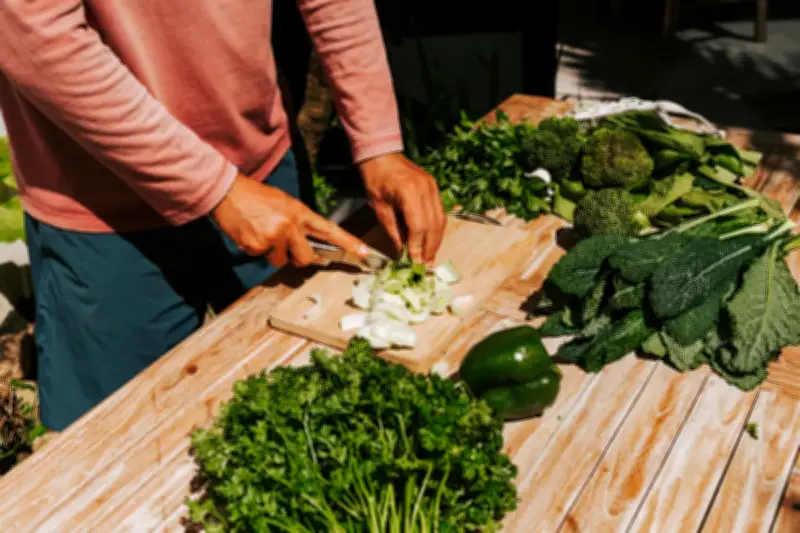
If you want to eat lettuce, that no longer just means iceberg. In our bountiful age, there are many options: romaine, red-leaf lettuce, butter lettuce, beet greens, bok choy, bitter radicchio, every developmental stage of arugula. Sometimes, it’s simply up to preference. But if you’re trying to meet your daily serving of 2.5 cups of vegetables – or you’re rethinking your salad choices amid the US cyclospora outbreak – you might have some questions about which greens to go with.
Are salad greens nutritious?
Health authorities widely agree that a diet high in nutrient-dense fruits and vegetables is associated with reduced chronic disease risk. But which greens are giving you the most nutritional bang for your buck? “Nutrient density”, defined as the “nutrients per calorie” of a food, can be a factor when shopping for produce, notes Jamie Mok, a Los Angeles–based registered dietitian nutritionist. In 2014, the Centers for Disease Control and Prevention released a study attempting to help people better understand nutrient density via a ranking system that declared watercress a powerhouse champion, with 17 nutrients per calorie – almost twice the nutrient density as kale.
“Watercress is rich in vitamin K, vitamin C, minerals like calcium, manganese, copper and lots of phytochemicals, which are beneficial compounds that we find in plants,” says Mok, who grew up eating watercress in Chinese soups her mother made. “It’s a very light, delicate flavor.” This doesn’t mean you should opt for watercress and ban other greens from your crisper. While watercress grabbed the CDC’s top spot, many other cruciferous greens, like green or Napa cabbage, kale or arugula, boast similar, substantial health benefits.
Variety is key
“Cruciferous vegetables contain a group of compounds called glucosinolates,” as well as vitamin C, vitamin K and fiber, explains Mok. “These are sulfur-containing compounds that have antioxidant activity.” Researchers believe glucosinolates support cancer-prevention. Rather than focusing on only the most nutrient-dense greens, experts advise prioritizing variety. Even the fruits and veggies that scored lower on the CDC’s ranking, such as blackberries, leeks and sweet potatoes, offer their own substantial health benefits – they simply don’t have the breadth of nutrients cruciferous veggies pack per calorie.
“I don’t encourage people to focus on finding one ‘best’ leafy green,” says Dr Nina Cherie Franklin, a research scientist and health coach who goes by “That Salad Lady”. “Eating a variety is almost always the better approach. Spinach, kale, watercress, romaine, arugula, chard, collards, mustard greens, turnip greens and dandelion greens all bring something different to the bowl.” For instance, one cup of shredded cabbage will net you about 2g of fiber and 28mg of vitamin C, but no vitamin A. A cup of spinach contains 1g of fiber, 9mg of vitamin C and 16mcg of vitamin A. That means easy staples that include various vegetables are a good option, including boxed mesclun mix, which contains different leafy greens, such as mustard greens, arugula and different lettuces, notes Mok.
Darker vs lighter greens
Many people believe that darker greens are healthier than lighter ones. Experts say that in terms of nutritional content, this is true – the rich hunter green of kale trumps the pallid hues of iceberg lettuce. “Darker green vegetables are generally richer in nutrients, especially phytonutrients,” a kind of bioactive antioxidant-like compound, says Franklin. But you don’t have to chuck your head of iceberg. “Lighter greens are far from nutritionally empty,” Franklin adds. “Romaine, butter lettuce, endive and other lettuces still provide vitamins, fiber, hydration and beneficial plant compounds.”
Cooked or raw?
Some of the nutrients in greens are fat soluble – “particularly vitamins A, E and K”, says Mok. Adding healthy fats like avocado, olive oil or eggs to salad greens can help your body absorb their nutrition. “Sautéing them with a healthy fat like olive oil can help improve the absorption” of these important compounds too, says Mok. Cooking also reduces the volume of greens, making it easier to eat larger quantities; two cups of raw leafy vegetables are the equivalent of a 1-cup vegetable serving. When eating iron-heavy greens like spinach, Mok recommends pairing them with foods rich in vitamin C, which helps with iron absorption. Citrus, bell peppers and tomatoes are some good options, she says.
Staying safe with greens
Heating to about 160F (71.1C) can make greens safer to consume, particularly if you’re concerned about risks posed by microorganisms like cyclospora, E coli or salmonella. “Washing raw produce can reduce dirt and some contamination, but no home-washing method can guarantee the removal of every organism,” says Franklin. “Cooking is more effective at reducing the risk of foodborne illness.” If you simply must have a salad, clean your greens thoroughly. “For raw greens, the basics matter,” Franklin says. “Wash your hands and preparation surfaces, discard damaged leaves, rinse loose greens thoroughly under running water and dry them with a clean cloth, paper towel or a salad spinner.”
Up to 9% of foodborne illnesses caused by pathogens in the US are linked to leafy greens. This looks like an estimated 2.3m illnesses annually, costing the nation more than $5bn to address, according to research from the Ohio State University. When it comes to waterborne pathogens like cyclosporiasis, the physical attributes of leaves make them susceptible to harboring disease, says Kristin Krokowski, a commercial horticulture educator at the University of Wisconsin–Madison. The leaves of leafy green vegetables are bumpy, says Krokowski: “There’s lots of little places for the cyclospora to attach, and the fact that they’re heads – multiple layers of leaves – allows for space in between the leaves. So water isn’t evaporating quickly, and there’s more places to hide.” The nooks and crannies of leafy greens also provide hiding places for the pathogens E coli, norovirus and salmonella, though these can also spread through the use of tools like cutters, or during harvest, transport or storage.
Storing greens
Research has found that some nutrients, like folate and vitamin C, can decrease when stored. But the good news is most vitamins and minerals, as well as fiber, remain stable in produce for days or weeks in the fridge. “When stored properly, whole leafy greens can remain fresh for one to two weeks, depending on the variety and their condition,” says Franklin. “There is no single point at which greens suddenly stop being nutritious,” she adds. How quickly nutrient loss happens “depends on factors such as how fresh greens were when purchased, how they were handled, and the temperature, humidity and moisture conditions in the refrigerator”. “Cutting, bruising or otherwise damaging the leaves can also shorten their useful life,” she says.
Franklin says reusable cotton produce bags can work to preserve the freshness of greens because they allow some airflow without trapping too much moisture. “A regular plastic bag can also work when used properly,” she says. She recommends placing a slightly damp paper towel inside the plastic bag to help “manage humidity without allowing the greens to become soggy”. You can also place a paper towel inside a plastic clamshell, then flip the box upside down – a method that can keep spinach crisp and odorless for up to two weeks. “For whole, unprocessed greens that you’re not planning to use right away, I generally recommend storing them unwashed,” says Franklin. This is because washing introduces moisture, which can accelerate spoilage.




