
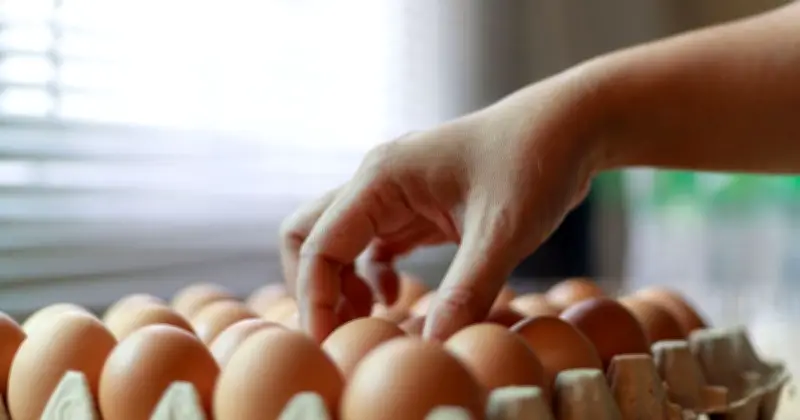
Food waste expert Kate Hall has weighed in on the long-running debate over where to store eggs in the UK. While eggs can be kept at room temperature and remain safe to eat, Hall says they will "stay fresher for longer" if kept in the fridge, which she calls "the best spot" for maintaining a consistently cool temperature as the weather fluctuates.
Fridge is best in warmer months
Hall notes that not keeping eggs in the fridge "isn’t likely to be a huge issue in the winter," but as kitchen temperatures rise above 20 degrees during hotter periods, the fridge becomes the better option. She also advises keeping eggs in their original packaging to prevent them from absorbing unwanted smells from other foods in the fridge.
The advice comes amid a broader confusion about food storage. A poll by biscuit maker Bahlsen found that 21% of Britons don't know where to store their potatoes or bananas. This lack of knowledge can cause foods to go off quicker or lose quality.
Foods to keep out of the fridge
Hall says that while some foods benefit from chilling, others are better left at room temperature, even during a heatwave. Tomatoes, for example, can develop a "mealy" texture and "dull the taste" when refrigerated. If they risk becoming overripe, they can be stored in the fridge for a day or two but should be brought back to room temperature before serving.
Basil is another item that can suffer in the fridge, developing an "injury" that causes black patches and wilting. While it can be washed, dried, and frozen, Hall says it loses its taste if kept chilled.
Other foods she recommends keeping out of the fridge include bread, which goes stale faster, as well as whole onions, garlic, sweet potatoes, avocados, kiwi, and melon.




