More than half of what Brits eat is ultra-processed, and food has become a battleground for class judgment, according to a new book that examines the cultural meaning of what we eat. In a column for the Guardian, Zoe Williams reflects on the arguments of Lewis Bassett, a sociologist and chef whose book The Full English explores why Britons eat the way they do and why they think the way they do about food.
The Ultra-Processed Divide
About 57% of all food eaten in Britain is ultra-processed, a figure that feels familiar after a decade of concern but becomes strikingly different when compared with the rest of Europe. In France, the figure is 14%, and Italy is also in the teens. While this disparity clearly has roots in inequality, there is also a significant element of attitude, which Bassett examines while tracing the history of sourdough, curry, and olive oil, and describing his own experience working in upscale kitchens and gastropubs.
The Shifting Meaning of 'Posh' Food
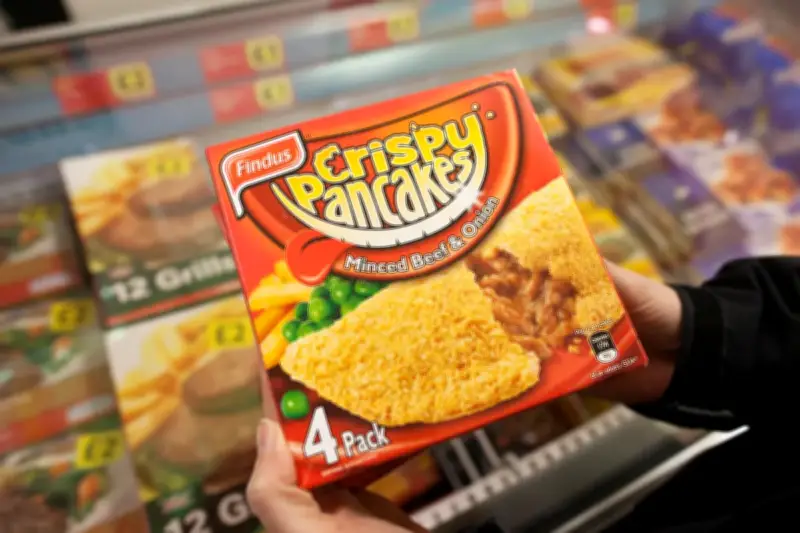
The column argues that Britons tend to view posh food as pretentious, but what counts as posh is constantly changing, partly due to cost. Even foods that were not previously considered posh, such as fish and chips, can become posh and therefore pretentious, with smaller portions serving as a sitcom signifier of despised posh food. Many ingredients – including the chickpea, the Findus crispy pancake, tomatoes, and the Turkey Twizzler – have had their moment as something some people hate others for eating, all shorthand for a low-level class war mediated through food.

A Peculiar Diet
Bassett concludes that "ours is a peculiar diet formed by a peculiar experience of modernity." The column suggests that if people could let go of some of the political and emotional charge around food, they might end up eating things that are more delicious. Williams notes that Findus crispy pancakes are ultra-processed, but adds that they were delicious nonetheless.