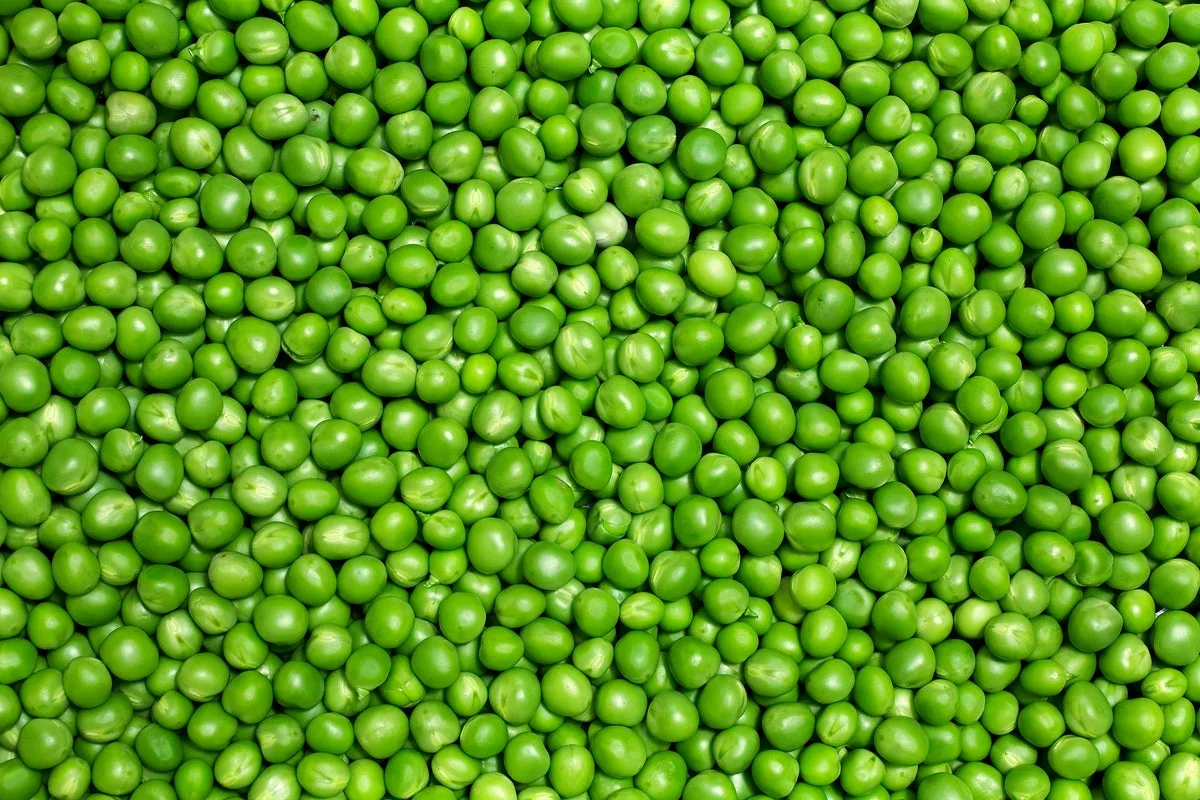
Five Reasons to Add Peas to Your Diet for Better Health
Five Reasons to Add Peas to Your Diet

Peas are often overlooked as a basic side dish, but they are cheap, widely available, and packed with nutrients that can benefit your health. While not a miracle food, regular consumption of peas can contribute significantly to your daily intake of protein, fibre, and micronutrients. Here are five reasons to add peas to your diet.

1. A Source of Plant Protein

Protein is essential for muscle maintenance, immune function, and satiety. Peas contain more protein than most vegetables, with cooked green peas providing around 5g per 100g and dried peas offering about 8g per 100g. Although less than lentils or chickpeas, they surpass vegetables like carrots and sweetcorn. Pea protein has a well-balanced amino acid profile, including all nine essential amino acids, though they are relatively low in methionine. Pairing peas with other protein sources ensures a complete amino acid intake. Moreover, pea protein is highly bioavailable, making it easy for the body to absorb and utilise.

2. Fibre for Gut and Metabolic Health

Many people fall short of the recommended 30g of fibre per day. A 100g serving of cooked peas provides over 6g of fibre, with dried peas offering even more. Peas contain both insoluble fibre, which aids digestion and prevents constipation, and soluble fibre, which helps regulate blood sugar and cholesterol levels. Additionally, peas contain prebiotic fibres like galactooligosaccharides that feed beneficial gut bacteria, promoting a diverse microbiome linked to better metabolic health.

Wide Pickt banner — collaborative shopping lists app for Telegram, phone mockup with grocery list

3. Iron and Beneficial Plant Compounds

Iron is crucial for oxygen transport, and peas contain more iron than many common vegetables. Green peas have a favourable iron-to-phytate ratio, enhancing iron absorption compared to mature peas. Peas also contain polyphenols, including flavonoids, which have antioxidant and anti-inflammatory properties. Regular consumption of flavonoids is associated with improved cardiovascular health, better blood sugar regulation, and a lower risk of chronic diseases such as heart disease and certain cancers.

4. Affordable and Accessible

Cost is a major factor in food choices, and peas are one of the cheapest ways to add protein and fibre to meals. Frozen peas cost around £1 to £1.50 per kilogram, often cheaper than other frozen or fresh vegetables. They generate minimal waste as you can cook only what you need, making them ideal for budget-conscious households.

5. Convenient and Kid-Friendly

Frozen peas are harvested at peak ripeness and quickly frozen, preserving nutrients. They require little preparation and can be easily added to pasta, rice, risottos, curries, soups, or sauces. Their soft texture and slight sweetness make them appealing to children, and repeated exposure increases acceptance. Keeping a bag in the freezer ensures you always have a nutritious option on hand.

Incorporating peas into your diet doesn't require major changes. Simple additions to everyday meals can boost your intake of protein, fibre, and essential nutrients without added cost or complexity.

Pickt after-article banner — collaborative shopping lists app with family illustration




