
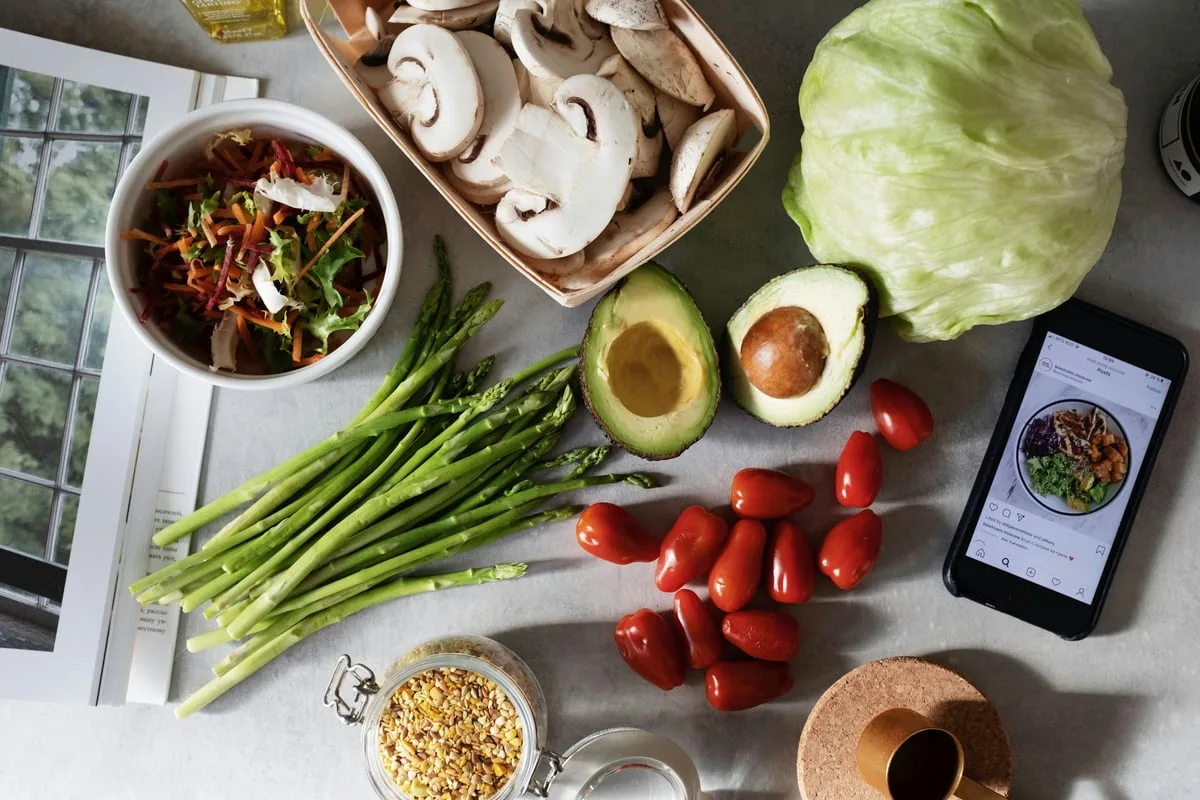
New research from the University of Bristol suggests that simply reducing intake of ultra-processed foods can lead to a significant drop in calorie consumption. Participants who cut back on these products ate more food by weight—over 50 per cent more—yet consumed roughly 330 fewer calories per day than those on a heavily processed diet. The finding highlights that whole foods, such as fruits, vegetables, and legumes, tend to be lower in calorie density but higher in fibre and water, promoting satiety and helping regulate hunger signals.
Experts describe this as a form of 'nutritional intelligence', where the body's natural cues guide food choices towards what it needs. Beyond supporting gradual, sustainable weight loss, this dietary shift may also contribute to steadier energy levels, improved metabolic function, and better hormonal balance. The research suggests that cutting out ultra-processed foods does not necessarily lead to feelings of deprivation, as participants were able to eat larger portions while still reducing overall calorie intake.
For those looking to make changes, several practical strategies can complement a whole-food approach. One simple habit is to serve portions from the hob or countertop rather than placing serving dishes on the table. This makes returning for seconds a conscious choice rather than an automatic response. Similarly, packing away leftovers immediately after a meal can help avoid late-evening grazing.
Timing meals earlier in the day may also offer benefits. Research indicates that stopping food intake at least three hours before bed, and extending the overnight fast to around 12 hours, can improve cardiovascular and metabolic markers—even without deliberately cutting calories. For someone who sleeps at 11pm, finishing dinner by 8pm and sticking to water or herbal teas afterwards is a simple way to implement this.
Other suggestions include incorporating bone broth into the diet. Rich in collagen, amino acids, and minerals, its high protein content can promote fullness while offering a low-calorie option for those with weight-loss goals. Visual cues also matter; swapping a standard 25–28 cm dinner plate for a smaller 20–23 cm one can make portions appear more generous while keeping quantities in check, supporting better portion control without feeling restricted.




