
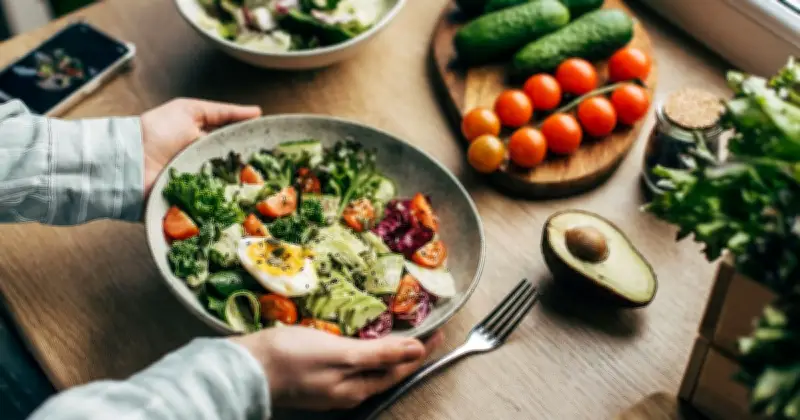
Experts say eating flavanol-rich foods every day could help support heart health and improve circulation. New research suggests that specific fruits, vegetables and drinks could offer greater benefits than others for people looking to improve their heart health.
Flavanols and Heart Health
Researchers say many people are missing out on important plant compounds known as flavanols, despite regularly eating fruit and vegetables. These naturally occurring antioxidants have been linked to improved circulation, healthier blood vessels and reduced inflammation.
The study, published in the journal Food and Function, analysed data from around 30,000 people in the UK and US. It found that fewer than one in five consume enough flavanols each day to reach levels associated with heart health benefits.
Recommended Foods
Experts involved in the research recommend choosing flavanol-rich foods such as blueberries, plums, blackberries, broad beans and cherries, alongside a daily cup of green tea, to help boost intake.
Lead investigator Dr Javier Ottaviani said simple changes to everyday diets could have a significant impact.
"Most people assume that eating plenty of fruit and vegetables covers this, but what this research shows is that the specific choices you make matter far more than the total amount," he said.
Key Findings
The researchers used dietary records and urine biomarkers to assess flavanol intake, finding that many participants who met traditional healthy eating guidelines still fell short of recommended levels.
Among the foods found to contain the highest concentrations of flavanols were plums, cranberries, blackberries and green tea. Broad beans, cherries, apples, strawberries and blueberries also featured prominently.
According to the findings, a single punnet of plums could provide around 450mg of flavanols, while a cup of green tea contains approximately 200mg.
Expert Opinions
Professor Gunter Kuhnle, from the University of Reading, said the findings suggest dietary advice may eventually become more targeted.
"Five-a-day remains the right message, but we may need to think more carefully about which five," he said. "Different fruits and vegetables offer very different nutritional benefits beyond vitamins and minerals."
However, some experts have urged caution over the findings, noting that more research is needed before flavanol intake can be directly linked to lower rates of heart attacks and strokes.
Professor Naveed Sattar, a cardiovascular expert at the University of Glasgow, said some studies have shown modest improvements in blood pressure, but there is not yet enough evidence to prove that flavanols reduce the risk of major heart disease outcomes.
Meanwhile, the British Heart Foundation stressed that flavanol content can vary significantly depending on how food is grown, stored and processed.
The charity said the best approach remains following established healthy eating advice, including a balanced diet rich in a wide variety of fruit and vegetables.
Considerations
Nutrition experts also noted that individuals absorb flavanols differently, partly due to variations in gut bacteria, meaning the potential benefits may not be the same for everyone.
While scientists continue to investigate the role of flavanols in heart health, the research highlights that not all fruit and vegetables provide identical nutritional benefits – and that choosing a wider variety of produce could help maximise the nutrients in your diet.




