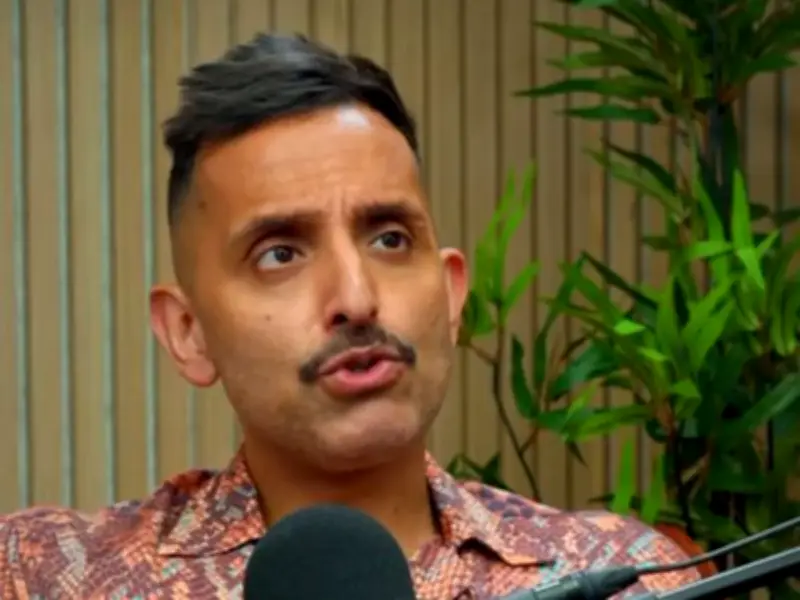
Dr Amir Khan, an NHS GP and daytime TV doctor, has explained exactly how much protein people need to eat each day to build muscle. Speaking on the No Appointment Necessary podcast with co-host Cherry Healey, he said that those looking to add muscle need to consume more protein than the standard recommended amount.
Protein needs for muscle building
According to the NHS, adults generally need about 0.75 grams of protein per kilogram of body weight every day. That equates to roughly 45g a day for a 60kg (9.5 stone) woman or 55g a day for a 75kg (11.8 stone) man. However, this is for an average person.
For someone actively trying to build muscle, Dr Khan said: "If you want to build muscle, you—you're looking at about 1.2 to 1.5 grams per kilo of your weight. So, let's say you're a 70-kilo person, you're probably looking at about 105 to 100 grams of protein per day. So, about 30 grams of protein per meal."

Data shows that the average British man weighs 86.2kg (13st 8lbs), meaning 129.3g of protein a day. An average British woman weighs 73kg (11st 7lbs) so that would equate to 109.5g of protein a day.
What that looks like on a plate
When asked what that equates to in real terms, Dr Khan said: "Just make sure you're including—when you're looking at your plate of food, about a quarter of it should be protein. So, chicken, fish, legumes, uh, every plant has protein in as well as part of its structure. A pot of yoghurt too. All of that, just, you know, about a quarter of what you should be eating is protein."
He added: "I would say spread it across the day."
A 100g chicken breast has 31g of protein, while two eggs have about 14g of protein. A bowl of porridge made with milk will have roughly 15g.
Sources and warnings
The NHS advises that milk and dairy foods, such as cheese and yoghurt, are good sources of protein and also contain calcium, which helps keep bones healthy. It recommends choosing lower-fat and lower-sugar products where possible, such as semi-skimmed, 1% fat or skimmed milk, lower-fat hard cheeses or cottage cheese, and lower-fat, lower-sugar yoghurt.
The NHS also says that beans, pulses, fish, eggs, and meat are all good sources of protein, which is essential for the body to grow and repair itself. They are also good sources of a range of vitamins and minerals. Meat is a good source of protein, vitamins and minerals, including iron, zinc and B vitamins, and is one of the main sources of vitamin B12. It advises choosing lean cuts of meat and skinless poultry whenever possible, and cooking meat thoroughly.
It also recommends eating less red and processed meat like bacon, ham and sausages, as this may help reduce the risk of certain cancers, such as bowel cancer. Red meat should be limited to three portions a week (350 to 500g of cooked meat per portion). Eggs and fish are also good sources of protein, with oily fish particularly rich in omega-3 fatty acids. The NHS advises aiming to eat at least two portions of fish a week, including one portion of oily fish.
Dr Federica Amati, head nutritionist for the nutrition company Zoe, warned that too much protein could be bad for us. She said: "Consuming more protein than your body can use during midlife is linked to an increased risk of multiple diseases, including cancer. An important point on this, though, is that plant-based sources of protein don't seem to increase cancer risk."
She also said that 'people are being hoodwinked into thinking high protein on a label necessarily means that it is healthy. Honestly, it's another health halo'.
Dr Amati added: "The price of fresh whole foods is going up so shoppers are best off buying more whole foods, and the standard already high-whey natural Greek yogurt without the markup. And remember, most of us can get plenty of the protein we need if we're eating enough whole foods."