
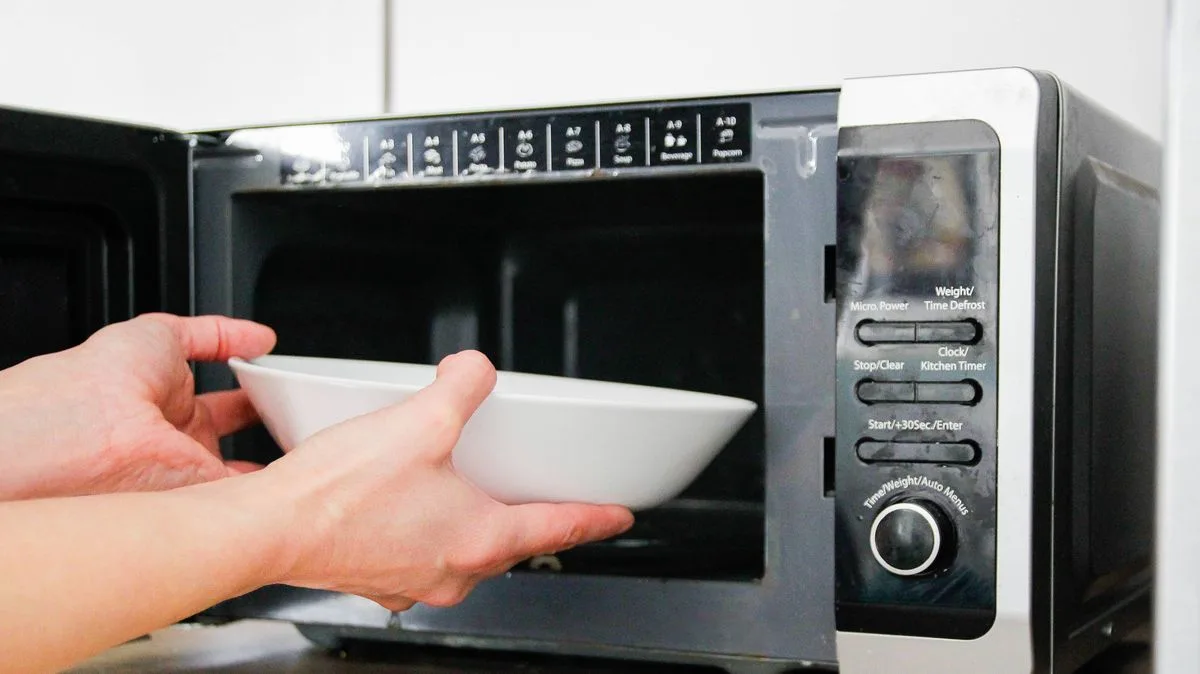
Millions of Britons use microwaves daily, but experts warn that simple errors could be spoiling meals and damaging the appliance. Andrew Wright, founder of kitchen brand Cookology, says many treat the microwave as a 'one-button solution' when a little know-how could improve results and extend the machine's life.
One common mistake is microwaving plastic containers that aren't microwave-safe. These can leak chemicals into food, especially when heating fatty or oily dishes. Metal items, such as foil trims or twist-ties, can spark and damage the oven.
Uneven heating is another issue, particularly in older models or those without turntables. Wright advises stirring food halfway through or rotating the dish to ensure safer, more consistent results, particularly when reheating rice, meat or leftovers.
Covering food is essential for even cooking and to avoid splatters, but containers should not be fully sealed. Leaving a small gap for steam to escape prevents pressure build-up, which can cause warping or lids popping off. A dirty microwave also absorbs more energy and cooks less efficiently, increasing the risk of smells and smoke.
Cleaning with bleach or ammonia-based cleaners can leave toxic fumes that contaminate food. Additionally, placing items on top of a countertop microwave can block vents, leading to overheating and potential fire hazards.
Wright's top tips include using microwave-safe dishes, covering food loosely, stirring halfway through, never heating food in airtight containers, and keeping the appliance clean. 'Microwaves can do far more than just reheat leftovers. With the right technique, they’re a powerful, energy-saving tool,' he said.




