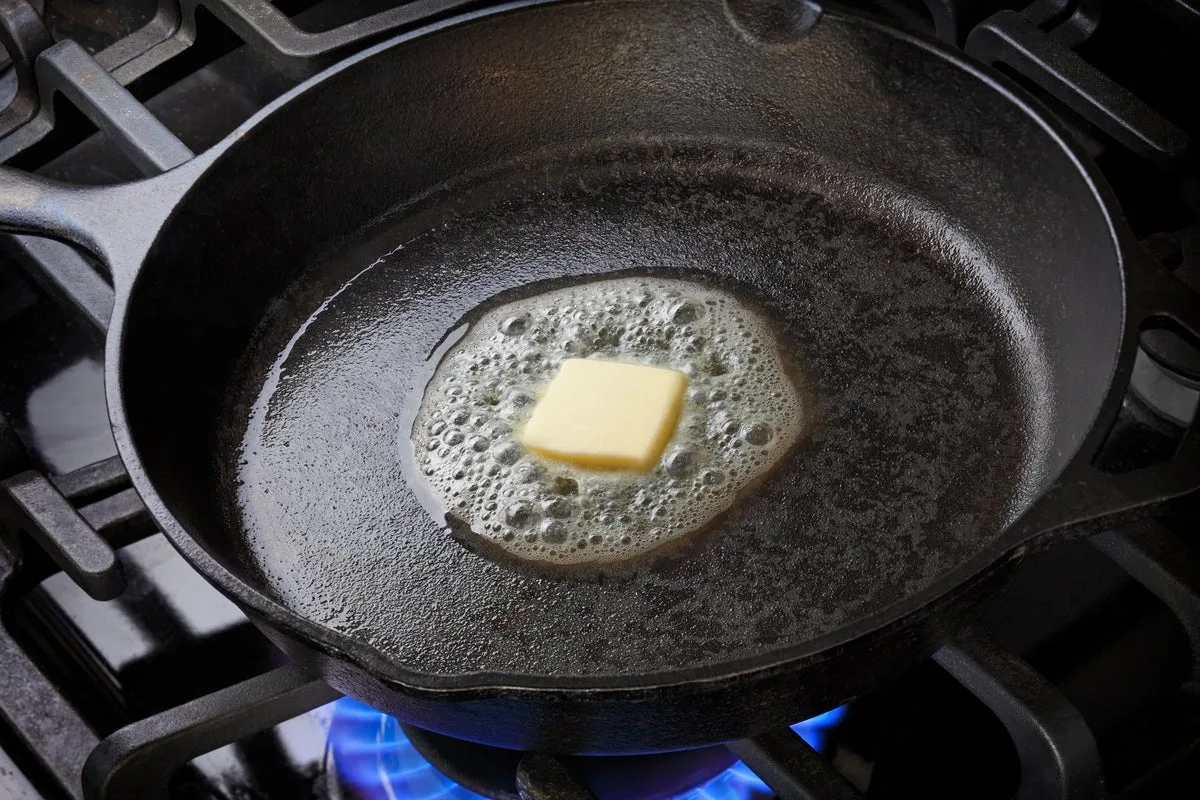
New research suggests that for many people, reducing saturated fat intake does not lower their risk of death. The findings challenge long-standing dietary advice that has painted saturated fats, found in red meat and dairy products like cheese and butter, as dietary villains linked to clogged arteries and heart attacks.
A major meta-analysis of 17 studies involving 66,337 participants examined how reductions in saturated fat affect health outcomes. The research, published in the Annals of Internal Medicine, concluded that only individuals at high cardiovascular risk benefit from cutting back. For those at low risk, reducing or modifying saturated fat intake showed little or no benefit over five years.
The study's authors noted that among high-risk individuals, there was evidence of important reductions in mortality and major cardiovascular events. However, for low-risk persons, the benefits were negligible.

In an accompanying editorial, Dr Ramon Estruch and Dr Rosa Lamuela-Raventós of the University of Barcelona argued that the perception of saturated fats has shifted from strictly detrimental to possibly protective for some subtypes. They suggested that the 'diet-heart hypothesis' linking saturated fats to heart disease is based on weak evidence of association, not causation.
Current NHS guidelines advise men to consume no more than 30g of saturated fat per day and women no more than 20g, with less being better. However, Professor Nita Forouhi of the University of Cambridge cautioned that the study did not examine outcomes over ten years, the typical timeframe for heart-disease risk models, and said it would be premature to change existing dietary recommendations.