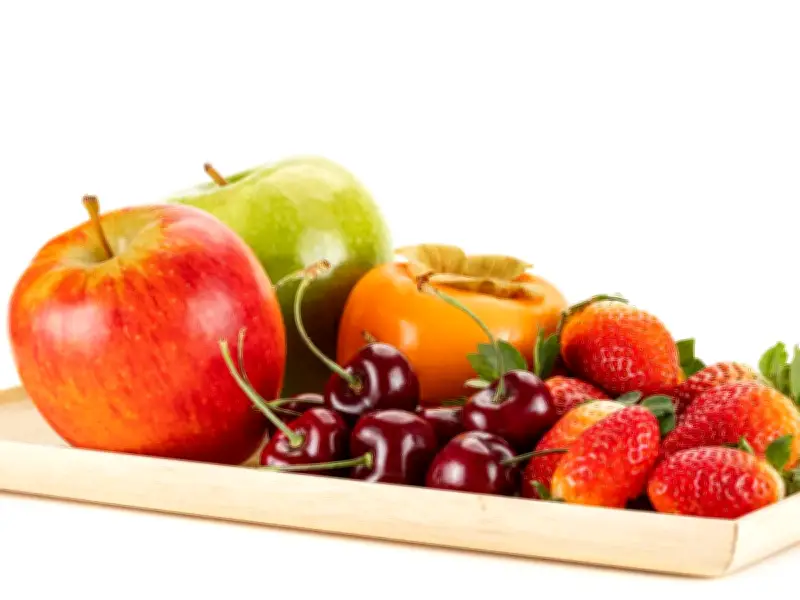
A cardiac specialist has named five fruits he recommends adding to your diet to help boost heart health. Professor José Abellán-Alemán, a specialist in cardiovascular risk at the Catholic University of Murcia (UCAM), said: “With fibre, vitamins, minerals plus plant compounds called polyphenols, certain fruits are good news for our heart health.
“In fact, fruit is one of the simplest ways to add more ‘TLC’ heart health moments into your diet. Aim for variety and ‘eat the rainbow’ as increasing the colour in our diets, can provide a simple way to improve our wellbeing, including our heart health.”
Red grapes and apples
Red grapes contain anthocyanins, which are linked to heart health. The patented grape variety Boombites has a deep red pulp similar to that of a berry or cherry. Red berry grapes have been found to have six times more anthocyanins than a traditional black-skinned table grape.
Professor Abellán-Alemán said: “A systematic review, which was recently published in the American Journal of Clinical Nutrition found that people with the highest intakes of anthocyanins reduced their overall risk of cardiovascular disease (CVD) by 26%.
“Plus, studies have shown that diets abundant in polyphenols could reduce the risk of developing CVD by as much as 46%. More research is needed.”
Apples contain soluble fibre, particularly pectin, which can help reduce the absorption of cholesterol in the gut, according to Professor Abellán-Alemán. Apples also contain flavonoids, plant compounds associated with potential cardiovascular benefits.
Citrus fruits, cherries and pomegranate
Research in the journal of Epidemiology found that regularly eating citrus fruits could reduce the risk of CVD compared to eating little or no citrus fruits. Eating citrus fruits every day was linked to between 43% and 49% potential reduced risk of CVD.
“Citrus fruits are abundant in flavonoids, particularly hesperidin and naringin. These may help to regulate blood pressure. Plus, potassium in citrus fruits helps balance sodium levels in the body and has been associated with healthy blood pressure,” said Professor Abellán-Alemán. “Aim to eat whole fruits rather than only drinking juice, to get the benefits of the fibre.”
Cherries contain anthocyanins and flavonoids. Although more research is needed, emerging studies have demonstrated how eating cherries can help to lower the risk of CVD by helping to decrease blood pressure and improving endothelial function. “The endothelium is a thin layer of cells that lines the inside of arteries and veins and it helps blood vessels relax and widen, to improve blood flow,” adds Professor Abellán-Alemán.
Pomegranates and their seeds may also help support heart health thanks to their polyphenol content. Professor Abellán-Alemán said: “Pomegranates are abundant in polyphenols, particularly anthocyanins, which have antioxidant properties. This means they may help to neutralise unstable molecules called free radicals which can end up damaging cells and contributing to challenges to our heart health.” More research is needed.
Professor Abellán-Alemán said: “Although these are five of my favourite heart-friendly fruits, remember that all fruits contain various different nutrients and plant compounds, so be sure to consistently eat a variety. Plus, we all need at least five, colourful fruit and vegetables in our diets daily.”