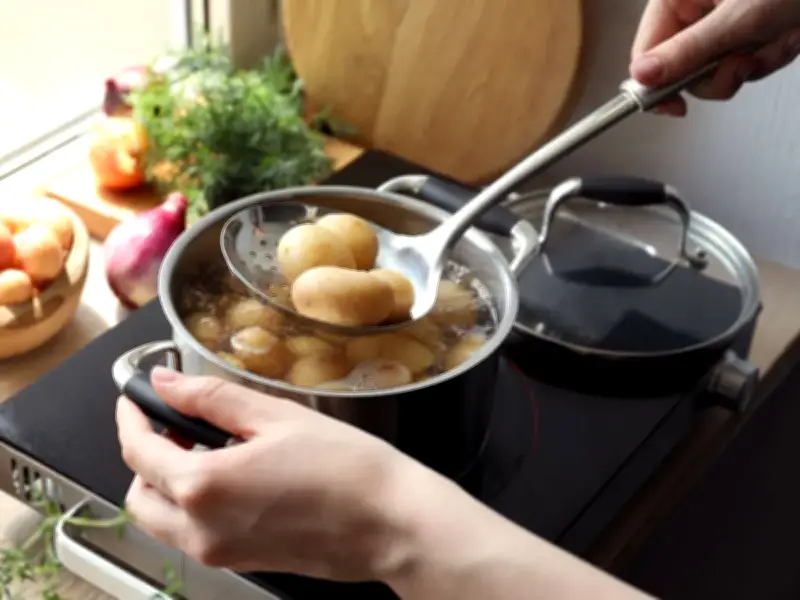
Boiling potatoes seems straightforward, but a single step can determine whether they emerge perfectly creamy or fall apart into a mushy mess. The key, according to Daniel Gritzer of Serious Eats, is to cover the potatoes with cold water and begin cooking from cold.
Why cold water works
Potato flesh is delicate and prone to breaking apart when overcooked. Starting with cold water allows the potatoes to heat up gradually, ensuring they cook through evenly from skin to centre. Plunging them into boiling water cooks the outsides far quicker while the insides risk being underdone.
This gentle approach gives the pectin binding the potato cell walls sufficient time to firm up properly. The result is a creamy consistency rather than a collapsed, mushy texture.

Stirring and simmering
The pan needs an occasional stir to ensure every potato gets equal treatment. Without stirring, those at the bottom cook faster than those floating near the surface. A gentle mix helps achieve uniform cooking.
Resist turning the heat up to maximum. Let the potatoes bubble at a gentle simmer, as this slower pace ensures they cook through properly and evenly.
Seasoning generously
Gritzer also advises being far more generous with salt than might seem natural. The skin acts as a protective layer that hinders salt penetration, so the more liberally the potatoes are seasoned, the greater the likelihood of proper seasoning throughout.
After draining, adding a generous knob of butter with additional salt gives the potatoes an appealing sheen and extra moisture, preventing any dryness.