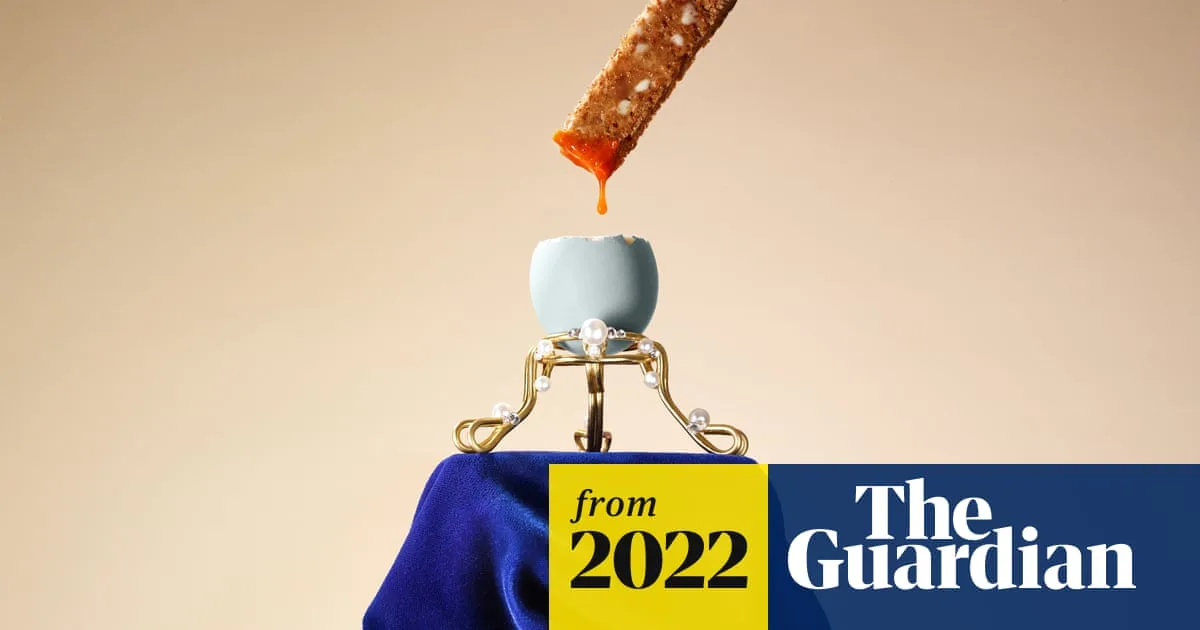
Eggs have long been a staple of the British diet, prized for their affordability and versatility. However, as demand surges, some consumers are questioning whether premium varieties such as Burford Brown eggs justify their higher price tag. With the cost of living crisis deepening, the humble egg is increasingly seen as a luxury item, with some brands costing up to £3 for half a dozen.
Paddy Bourns, an organic egg farmer at Cackleberry Farm in Gloucestershire, produces some of the most sought-after eggs in England. His CackleBean eggs, laid by rare-breed hens on a solar-powered farm, are sold in boutique stores like Gail's Bakery and Selfridges food hall. Bourns refuses to supply supermarkets, arguing that high welfare standards cannot be maintained at scale. "You cannot be high-end and be in a supermarket," he says.
However, critics argue that many consumers cannot tell the difference between a 50p organic egg and an 18p free-range egg from a supermarket. Bourns himself warns that some smaller brands may be fronts for large industrial producers, a practice he calls "Big Egg". Industry data shows that 42 million British hens laid 11.3 billion eggs in 2021, with free-range eggs accounting for 63.7% of the market.

Despite the premium price, Burford Brown eggs—a breed known for their rich yolk colour—have gained a following among celebrity chefs. But for most shoppers, the choice comes down to cost versus perceived quality. As one farmer notes, "You could drive down the road now, pick up some eggs, put them in a box and sell them out of your gate." The question remains: are fancy eggs worth the extra money?