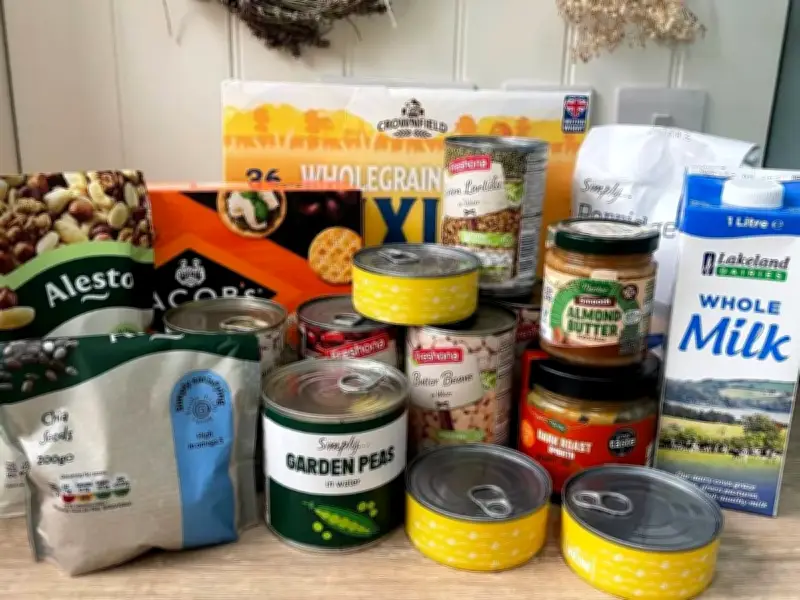
The UK Government has warned that severe weather, cyber attacks, and emergencies can disrupt essential services. In response, nutrition experts have unanimously recommended five everyday foods to stockpile for a power cut, all of which can be found in a standard supermarket.
The advice follows the government's Be Ready campaign, which encourages households to prepare to look after themselves for up to 72 hours. A kitchen cupboard check often reveals items that need a functioning hob, such as dried pasta, eggs, and coffee, leaving little to eat during a blackout.
Nutritionists Agree on Five Pantry Staples
Registered nutritionist Rob Hobson reassured that specialist survival equipment is not necessary to stay well-nourished when the power goes out. He said: "There's little point in buying lots of unusual survival foods that will sit untouched for years." He added: "You can put together a surprisingly nutritious emergency food supply using ordinary supermarket ingredients."
The five foods that topped every expert's list are tinned fish, oatcakes and wholegrains, tinned beans and pulses, nut butter, and trail mix.
Tinned Fish and Oatcakes Lead the List
Dr Naheed Ali named "tinned sardines with bones" as his first pick because "the bones are actually an advantage, not something to avoid" for calcium, alongside protein and omega-3 fats. Clinical lead Dr Daniel Atkinson highlighted ring-pull tins for convenience, noting vegans can substitute them with individual cartons of fortified UHT soya milk or lentil dahl. Biomel nutritionist Holly Caske emphasised that oily fish supports "the maintenance of bones and teeth" and can be eaten straight from the tin.
Dr Daniel Atkinson pointed to traditional Scottish oatcakes as an excellent option because, being made with rolled oats and oil, they contain "roughly 450 calories per 100g" - the same energy density as digestive biscuits but delivered as slow-release complex carbohydrates that won't cause blood sugar to spike. Rob Hobson recommends stocking long-life wholemeal tortilla wraps as a durable, no-cook alternative to bread.
Beans, Nut Butter, and Trail Mix Complete the Pantry
Tinned beans and pulses were next on the unanimous checklist. Rob Hobson is a big fan because "you can eat them straight from the tin, so they're particularly useful if you can't cook." Dr Justine Butler, Head of Research at Viva!, highlighted that staples such as chickpeas, lentils, and baked beans can sit in a cupboard for months, even years, without refrigeration. Dr Atkinson added that "tinned pulses keep your digestive system moving when fresh fruit and vegetables aren't available."
Dr Naheed Ali recommends keeping a 500g jar of 100% peanut butter per adult, noting it provides around 3,000 calories, requires no preparation, and takes up minimal storage space. Dr Justine Butler likewise recommends nut butter as a calorie-dense source of healthy fats, protein, magnesium, and vitamin E. Almond butter is a fantastic alternative for those unable to eat peanuts, but the jar must contain 100% nuts.
Holly from Biomel suggests mixed bags of unsalted nuts, seeds, and fruit, which are compact, energy-dense, and rich in protein, healthy fats, vitamin E, and magnesium. She said: "They can also be combined with other long-lasting ingredients like oats and honey to make a more substantial and flavourful meal."
Tinned vegetables, including tomatoes, carrots, and peas, were also widely recommended. Nutritionist Rob Hobson concluded: "Between these five foods, you're getting protein to help maintain muscle, carbohydrates for energy, healthy fats, fibre to support digestive health and a good range of vitamins and minerals."