Alarming Rise in Early-Onset Cancer Cases Among Young People
Cancer is becoming increasingly prevalent among young individuals, with cases showing a slow but steady annual increase over the past decade. In the United States, colorectal cancer has emerged as the leading cause of cancer-related deaths in people under 50 years old. Statistics reveal a significant rise from 8.6 cases per 100,000 people in 1999 to 13 cases per 100,000 in 2018, highlighting a troubling trend in public health.
Key Findings from Recent Cancer Reports
A recent report from the American Cancer Society (ACS) indicates that incidence rates among adults under 50, categorized as early-onset cancer, have been climbing by approximately three percent each year. Notably, 45 percent of colorectal cancer diagnoses occur in individuals under 65 years of age, according to ACS data. Beyond colorectal cancer, other types are also on the rise among younger demographics.
The rate of lung cancer diagnoses in young people has gradually increased over the last two decades, particularly among non-smokers. Experts attribute this trend to environmental pollutants such as radon gas. Additionally, new diagnoses of breast cancer that have metastasized to other body parts are increasing most rapidly among young women. From 2004 to 2021, cases in patients aged 20 to 39 rose by nearly three percent, a rate more than double that observed in women aged 75 and older.

Insurance Status as a Critical Survival Factor
Young people are often diagnosed at later stages of cancer, which studies suggest may be due to insurance-related challenges that compromise their survival chances. Health experts from the University of Texas at Arlington conducted an analysis involving nearly 470,000 Americans aged 15 to 39 who had been diagnosed with cancer. Their research examined social and systemic factors influencing survival, identifying insurance status as one of the most clear and consequential elements.
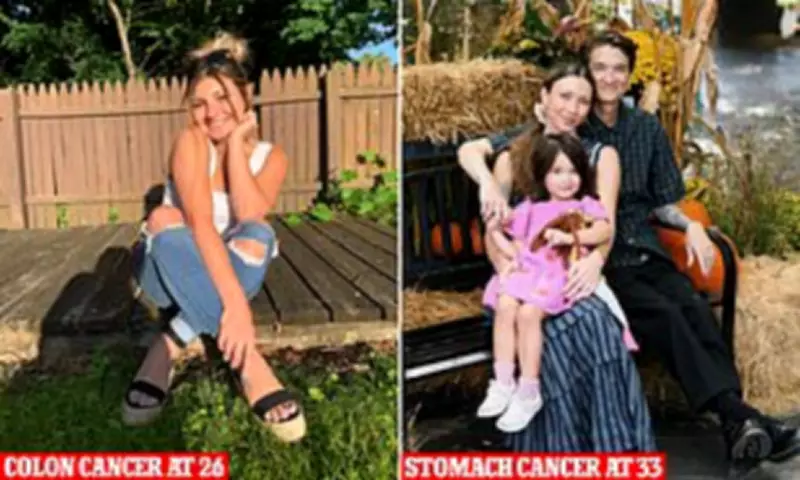
For instance, Mariana Tata was just 26 years old when diagnosed with Stage 4 colorectal cancer that had spread to her ovaries and abdominal wall. She experienced symptoms like bloating and rectal bleeding prior to diagnosis. The study found that young people with private health insurance lived longer than those on Medicaid or without insurance. This survival advantage varied by cancer type, ranging from a modest eight percent lower risk of death for lymphoma to a drastic 2 to 2.5 times lower risk for melanoma and multiple other cancers.
Unstable Health Coverage Among Young Adults
Individuals between the ages of 15 and 39 face particularly unstable access to health coverage in the US. This age group often includes those finishing education or starting new jobs that may not offer benefits. Additionally, many age off their parents' insurance plans at 26 under current US law. This instability leaves many young people uninsured or underinsured, increasing the likelihood that they avoid doctor visits for warning signs such as rectal bleeding, abdominal pain, and unexplained weight loss.
The long-term consequences of inadequate health coverage extend beyond mere inconvenience. Adolescents and young adults tend to see smaller improvements in cancer survival over time compared to children and older adults, a gap that has puzzled researchers for years. Insurance instability appears to exacerbate this disparity, making timely diagnosis and treatment more challenging.
How Insurance Shapes the Cancer Experience
Health insurance does more than cover hospital bills; it determines access to specialists, the speed of treatment initiation, and eligibility for clinical trials. Strikingly, the new study showed that patients on Medicaid and uninsured patients often had similar cancer outcomes, both faring worse than those with private insurance. This suggests that simply having some form of coverage is insufficient if it does not facilitate access to quality care.

One underdiscussed consequence is access to clinical trials, which often provide the most advanced treatments available. Research indicates that the type of insurance a young cancer patient has significantly predicts enrollment in clinical trials, with higher rates for those with private insurance. For cancers like early-stage Hodgkin lymphoma, common in young adults, treatment decisions and access to newer approaches can vary based on care settings, often tied to insurance status.
Clarifying Cause and Effect in Insurance Research
The body of research analyzed primarily tracked patterns in existing data rather than through controlled experiments, making it difficult to definitively state that insurance status directly causes survival differences. However, the observed pattern was consistent across many studies. Most studies recorded insurance status only at diagnosis, missing changes during treatment, such as losing or gaining coverage.
Future research that tracks insurance continuously throughout treatment, standardizes coverage categorization, and examines specific cancer types and age subgroups in greater depth could provide clearer insights into these dynamics.
Potential Solutions to Support Young Cancer Patients
The good news is that insurance is a societal factor that can be changed. Based on findings from the University of Texas at Arlington team, several key areas stand out for improvement. Expanding coverage could help keep more young cancer patients insured, through policies like extending the age limit for staying on a parent's plan, expanding Medicaid, and reducing coverage gaps after diagnosis.
Improving what Medicaid covers could enhance access to top cancer centers, as many doctors and facilities limit Medicaid patients due to low reimbursement rates. Connecting young patients on public insurance or without coverage with financial counselors, patient navigators, and care coordinators could help them navigate the healthcare system more effectively, ensuring timely access to appropriate treatments and clinical trials.
Early screening for financial barriers can prompt timely referrals to financial counseling and assistance programs, preventing treatment delays. Financial support can aid patients in completing treatment, attending appointments, and improving overall outcomes, ultimately bridging the survival gap for young adults facing cancer.
This article is adapted from The Conversation, a nonprofit news organization dedicated to sharing expert knowledge. It was written by University of Texas at Arlington experts: Tara Martin, clinical assistant professor of nursing; Rhonda Winegar, assistant professor of nursing; and Zhaoli Liu, assistant professor of nursing. It was edited by Emily Joshu Sterne, the US Assistant Health Editor at Daily Mail.