Woman's Years of Mystery Symptoms Finally Explained by PMDD Diagnosis
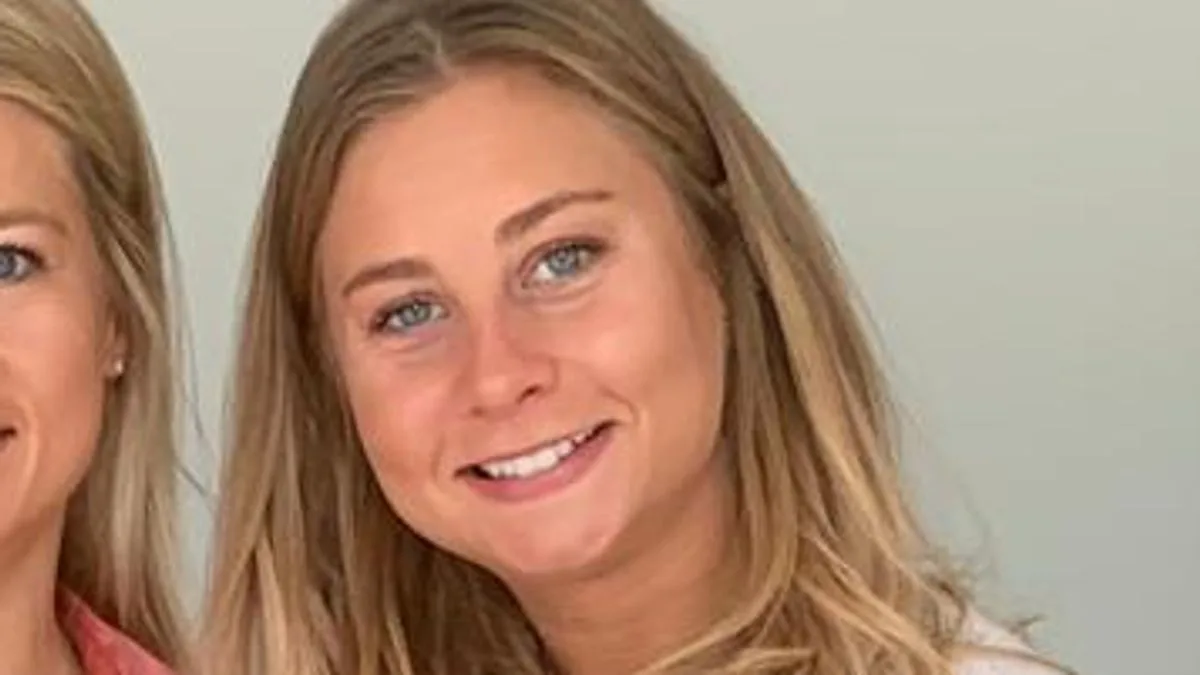
Polly Martinovic, a 29-year-old woman, has revealed how she suffered through years of unexplained bloating, fatigue, and low mood before finally receiving a diagnosis for the chronic condition behind her distressing symptoms. Her journey highlights the challenges many face in getting proper medical recognition for complex health issues.
The Struggle for Recognition
Polly is among the estimated 31 million women and girls worldwide living with premenstrual dysphoric disorder (PMDD), a severe form of premenstrual syndrome that causes significant emotional and physical symptoms during the week or two before menstruation. According to mental health charity Mind, while the exact causes of PMDD remain not fully understood, research suggests factors like genetics or trauma may contribute to the condition.
Tragically, Polly's symptoms began following a family bereavement. "I lost my sister about five and a half years ago. That's when it all started," she explained. Her symptoms included breast pain, bloating, fatigue, anxiety, panic attacks, and persistent low mood. Yet when she sought help from general practitioners, she felt "dismissed" and misunderstood.
"Nobody had mentioned PMDD to me at all; I had no idea what it was," Polly recalled. "I was just told I was a little bit sensitive to hormonal changes." This lack of recognition led to misdiagnosis and inappropriate treatment. "I wasn't sure mentally whether this was grief that I was suffering from. I was told that I was depressed, and I was put on antidepressants," she added.
The Path to Diagnosis and Treatment Challenges
Polly noticed her symptoms followed a cyclical pattern, seemingly linked to her luteal phase. After two years of debilitating physical and mental symptoms, she paid privately to see a hormone specialist in early 2023, finally receiving a PMDD diagnosis. However, this was only the beginning of her battle.
"There's no magic pill," Polly emphasized about PMDD treatment. According to NHS guidelines, treatments may include antidepressants, contraceptives, or induced menopause through medication or surgery, with some patients benefiting from therapy and lifestyle changes.
Polly initially tried hormone replacement therapy, starting with synthetic oestrogen and progesterone before switching to oestrogen only. Unfortunately, a bad reaction forced her to stop treatment, and her condition "rapidly declined." She described hitting a particularly low point: "I remember one day I was at home with my mum. I was having a really bad episode, and I was like, I can't do this anymore. I don't want to be here anymore."
Turning Point Through Holistic Approach
The situation became so severe that Polly had to move from London back to Devon, relying completely on her parents for support. "You're on this cycle, building yourself back up for two weeks and then just being torn down completely. It was exhausting," she said of the experience.
A breakthrough came during a summer holiday in 2024 when Polly reached what she describes as "rock bottom." While experiencing a severe PMDD episode that left her unable to leave her hotel room and suffering anxiety attacks, she discovered the hotel had a functional medicine clinic. "My mum basically begged me to go," Polly explained.
After consulting with a functional health specialist, Polly adopted a holistic health approach that she credits with transforming her life. "It's the first time someone said to me, a lot of this is nervous system rooted and trauma related," she noted. This led to comprehensive hormone testing using a DUTCH test to understand her hormonal patterns rather than simply masking symptoms.
"I was really working through things holistically and doing the work to support myself, learning about trauma and stress and how that impacts hormones," Polly explained. "After working with them for a couple of months, my symptoms really just calmed down."
Recovery and Advocacy
From this transformative experience, Polly went on to study integrative health and establish her own functional wellness brand, Vhyne. Remarkably, she now experiences symptomless cycles, something she was told would never be possible.
Since embracing her holistic approach, Polly often goes months with little to no PMDD symptoms. She shares her story to help other women struggling with the condition, acknowledging her privilege in accessing alternative treatments. "I was fortunate enough to be able to seek another route and go down the functional medicine route, and be able to afford to pay for that help for myself," she said. "But there are so many women out there who don't have access to that and are having to live with this every month."
Understanding PMDD Symptoms
The NHS identifies numerous potential PMDD symptoms including mood swings, depression, crying spells, feelings of hopelessness, anxiety, anger, irritability, trouble concentrating or 'brain fog,' sleep disturbances, eating habit changes, fatigue, joint or muscle pain, breast soreness, headaches, migraines, bloating, and weight gain. The health service notes that many people with PMDD also experience suicidal thoughts and feelings.
Polly's story emerges during PMDD Awareness Month in April, highlighting the need for greater understanding and support for those affected by this challenging condition. Her journey from debilitating symptoms to managing her health through holistic approaches offers hope while underscoring the importance of proper diagnosis and comprehensive treatment options for women's health conditions.